
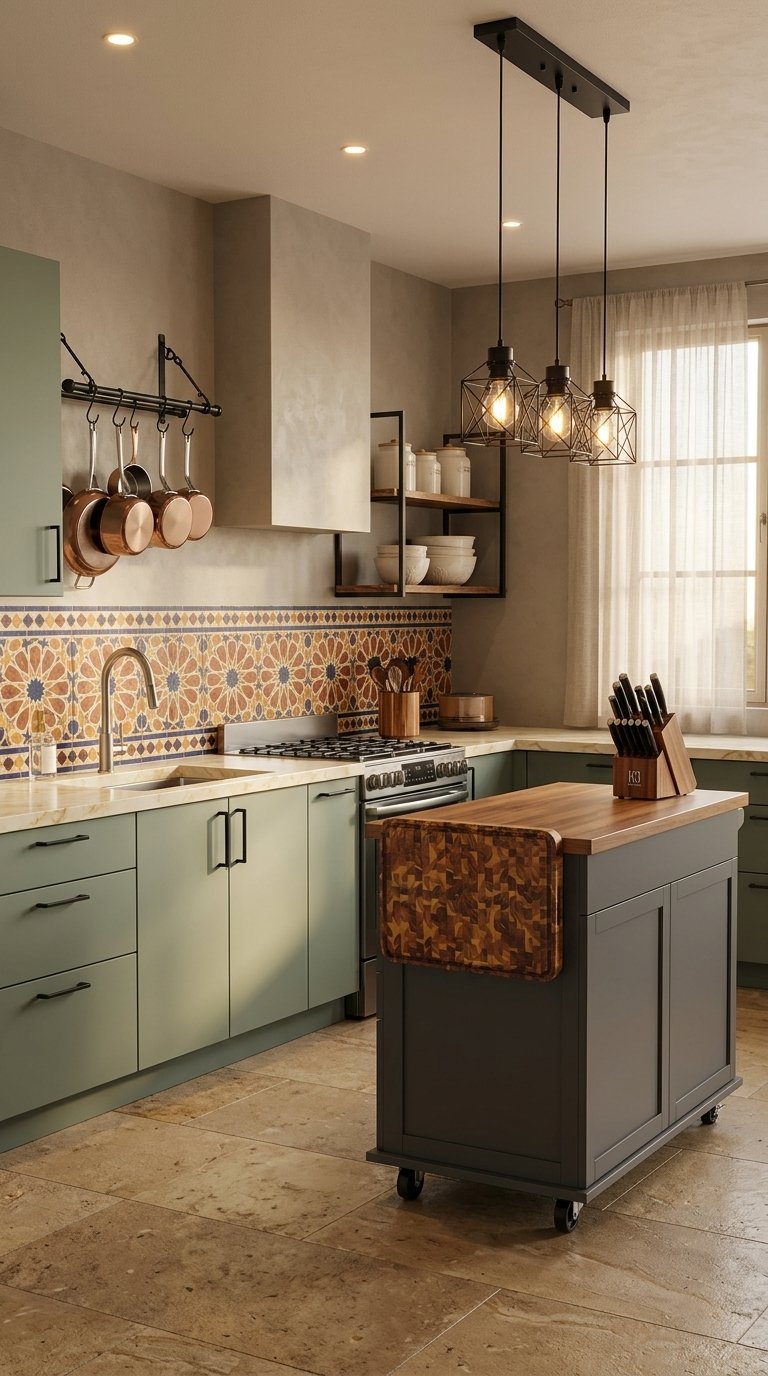
Egyptian kitchen design ideas are having a moment in 2026, and this transformation shows exactly why the look works so well in a modern home. This kitchen concept pairs the earthy warmth of ancient Egyptian materials — sandy plaster, terracotta, ochre, and brass — with a distinctly contemporary base of matte sage-green cabinetry, so the space reads as current rather than costume-like. The result is a kitchen that feels grounded, textured, and unmistakably different from the all-white or all-gray kitchens that dominate most renovation content.
The design concept here centers on restraint: instead of covering every surface in pattern, the geometric Islamic-tile backsplash is used as a single accent wall behind the range and sink, while brass hardware, a copper-toned pot rack, and a warm marble-look countertop tie the cultural references together without overwhelming the room. Homeowners can achieve this look by treating the tile and metal finishes as jewelry — a few well-placed pieces against a calm, modern backdrop — rather than trying to theme the entire kitchen.
These Egyptian kitchen design ideas were fully priced out using real Amazon products, and the full renovation journey — from a dated, gutted shell to the finished reveal — is documented stage by stage below, along with every product used to recreate the look.
Shop the Look: Egyptian Kitchen Design Ideas
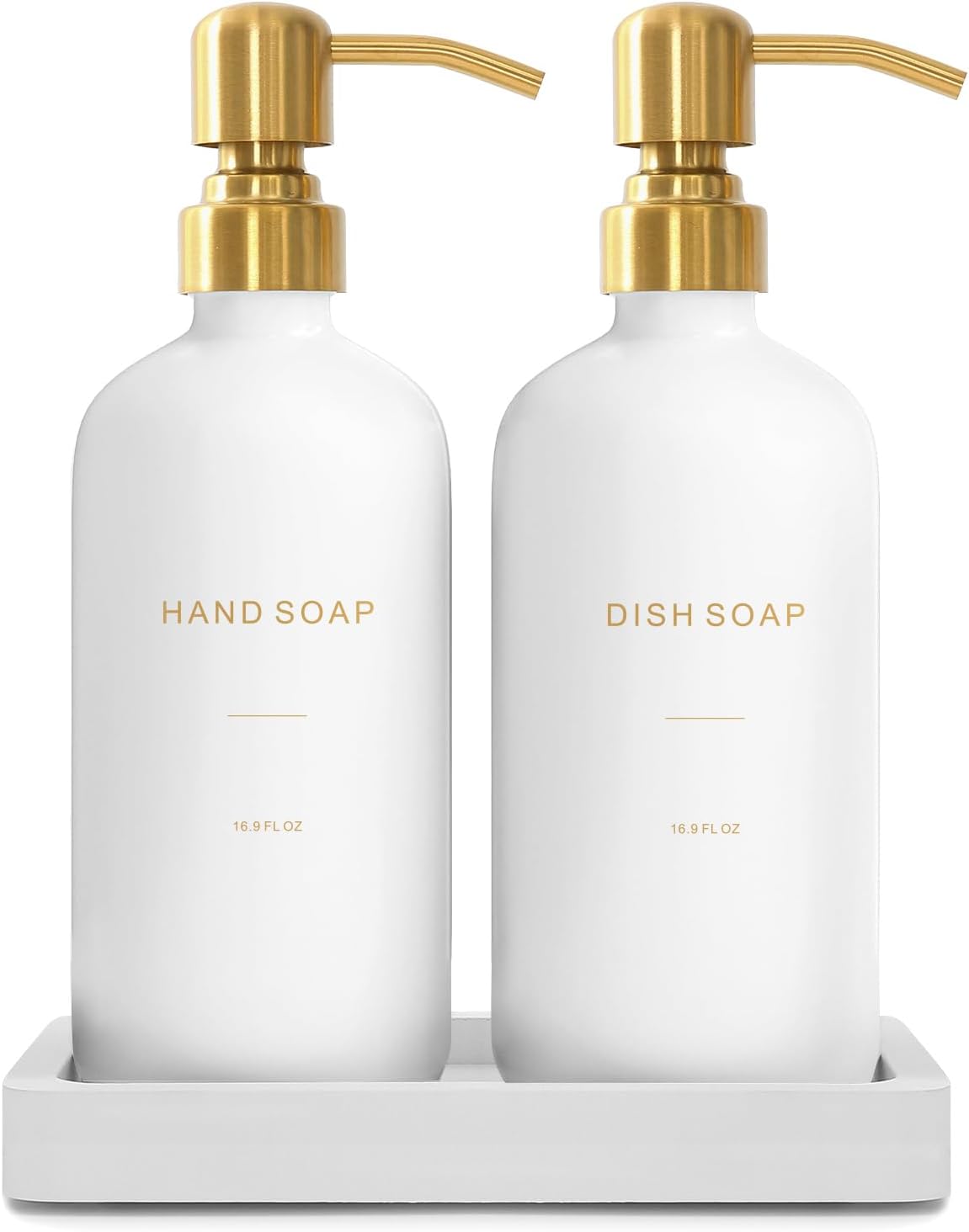
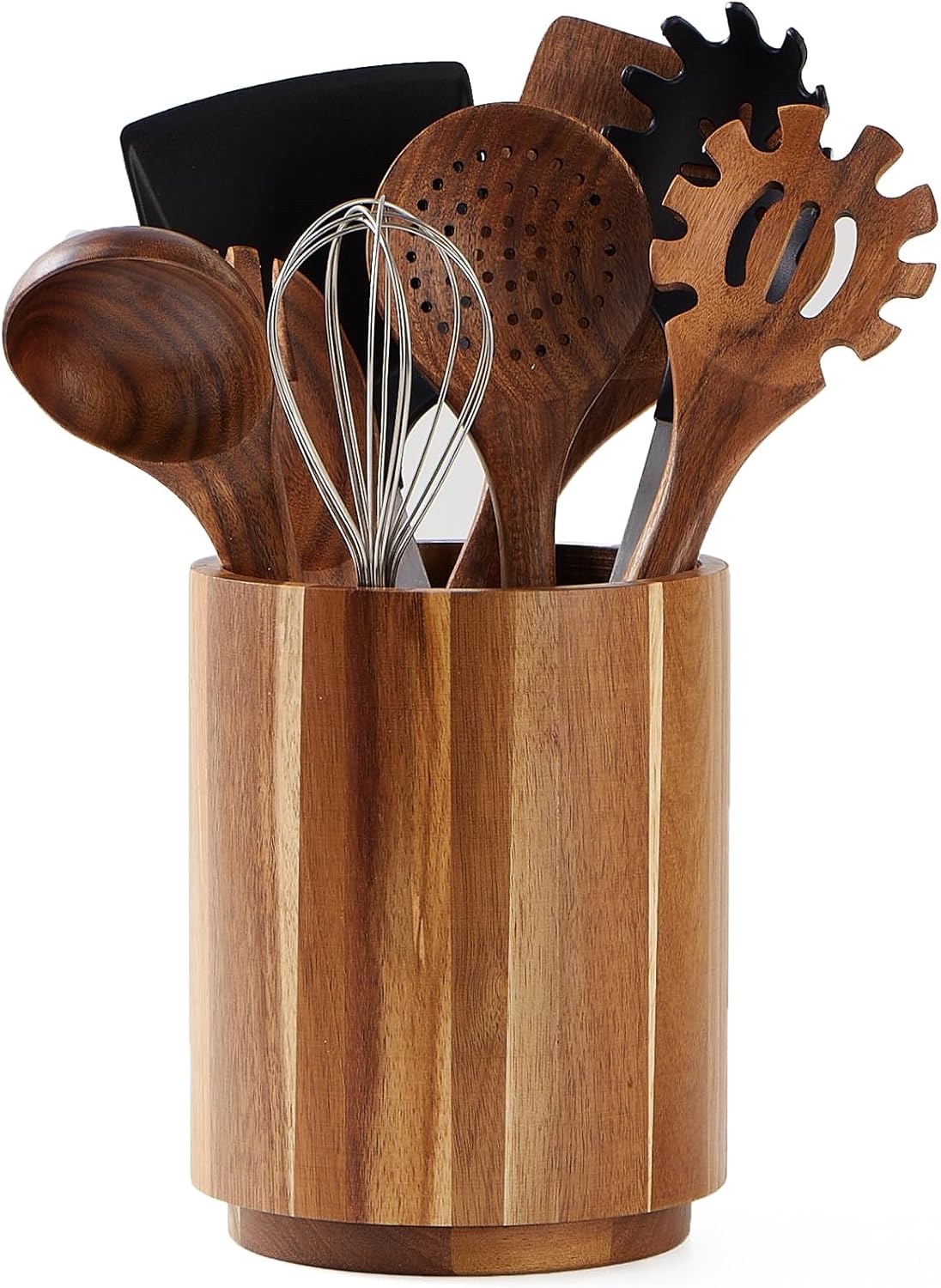
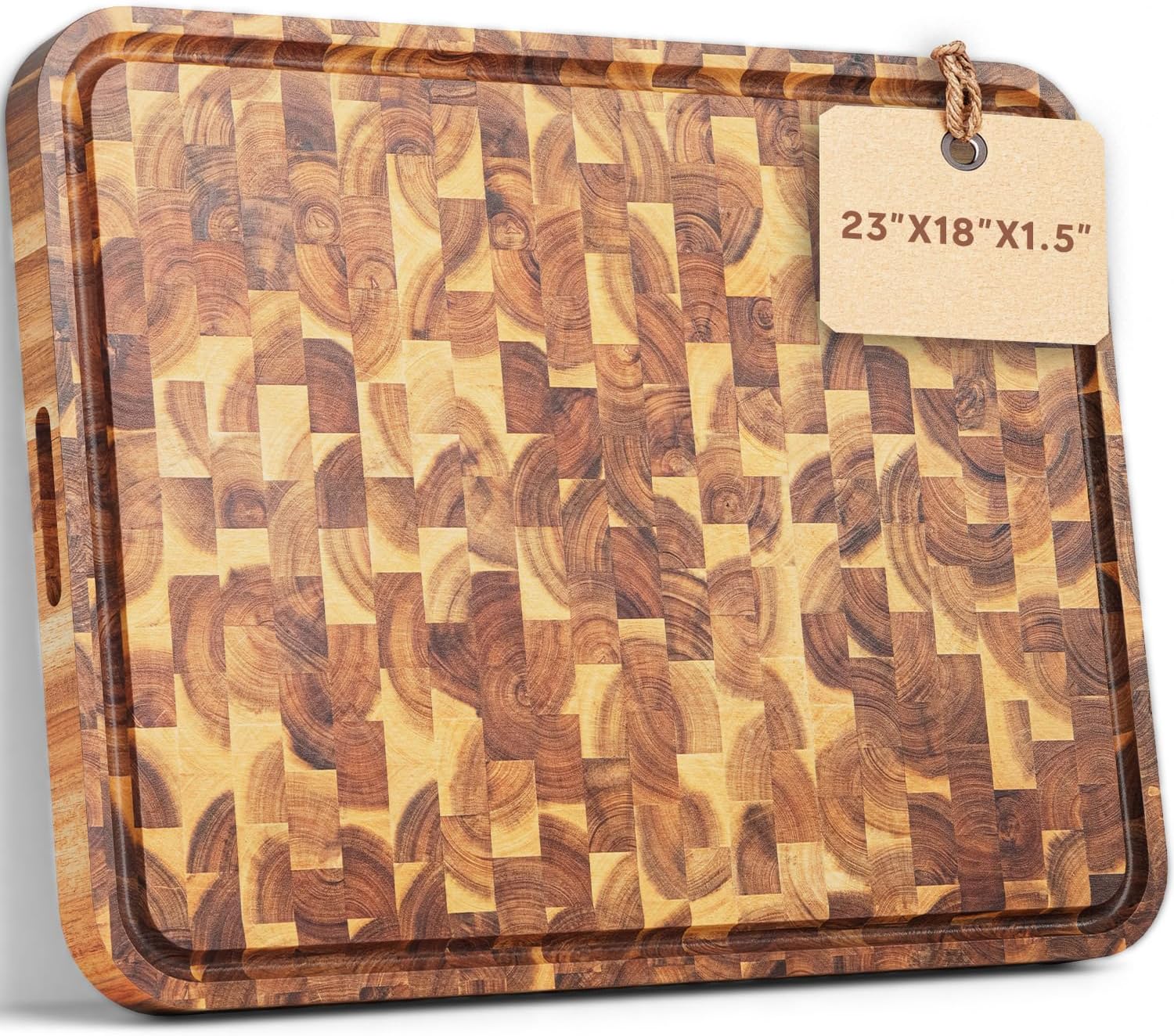
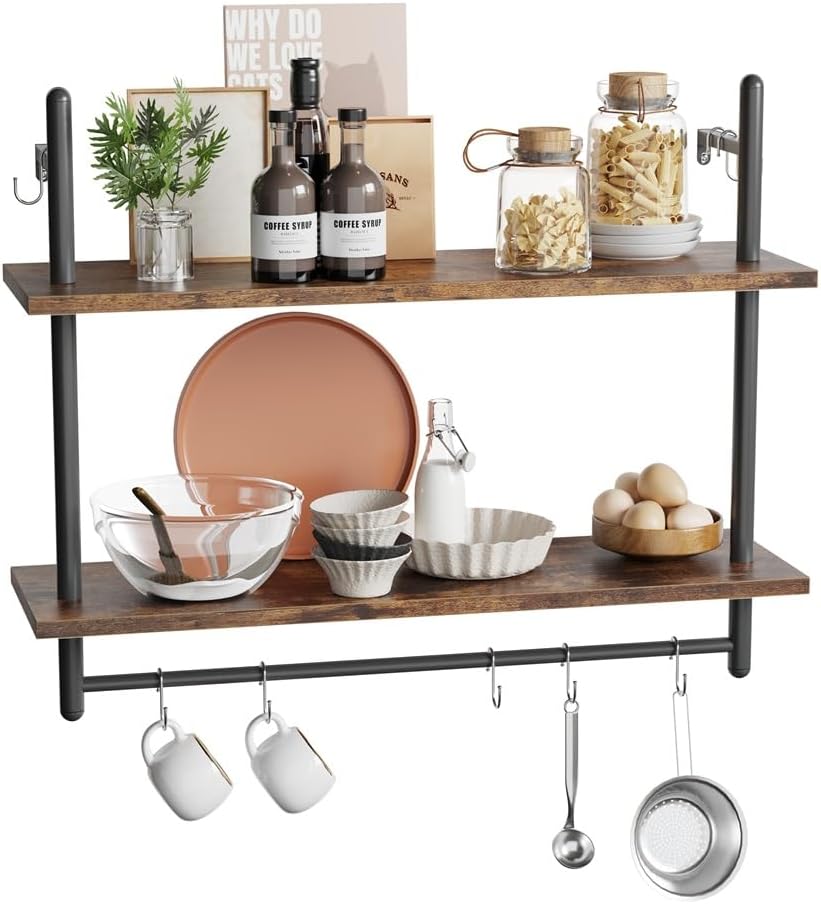
Recreate these Egyptian kitchen design ideas with these handpicked Amazon products.
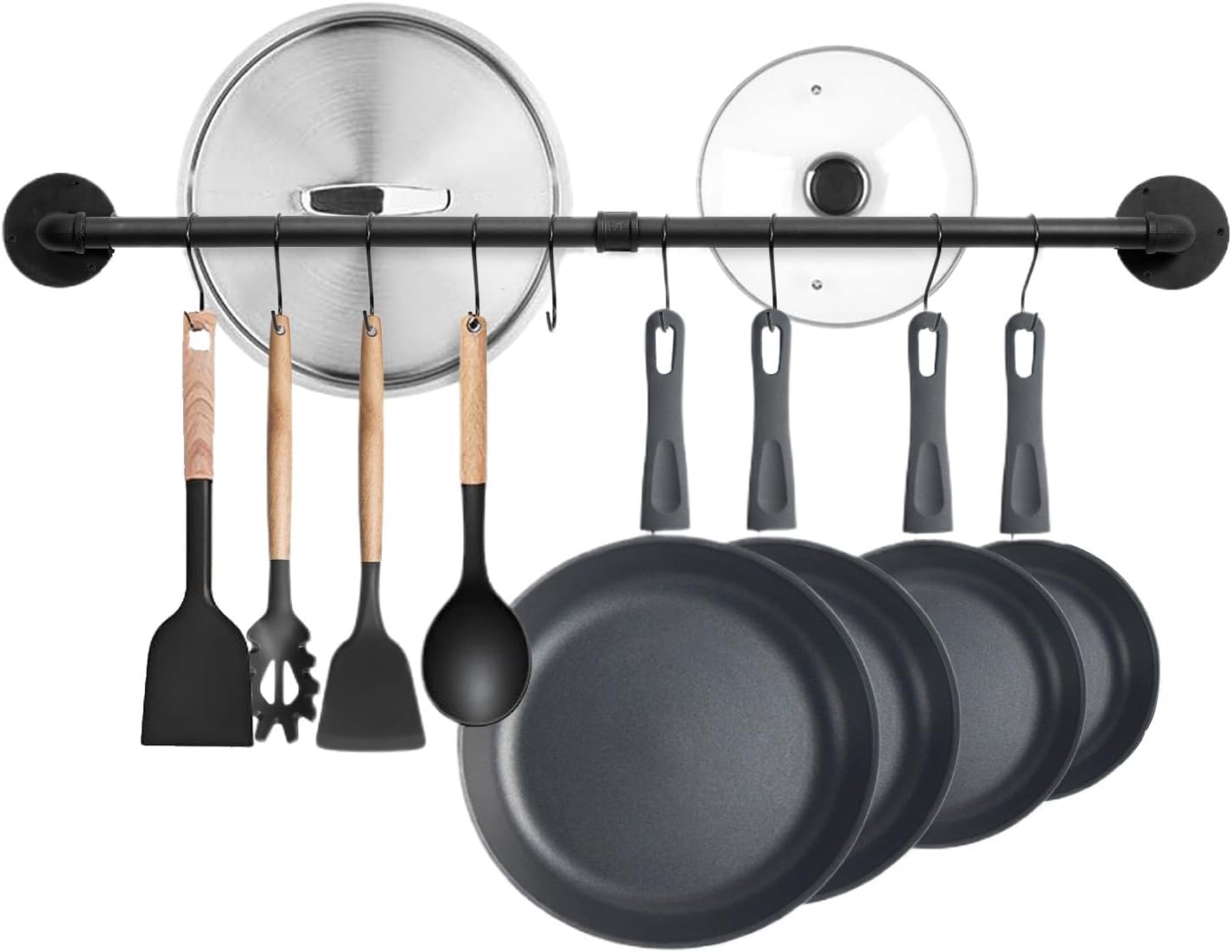
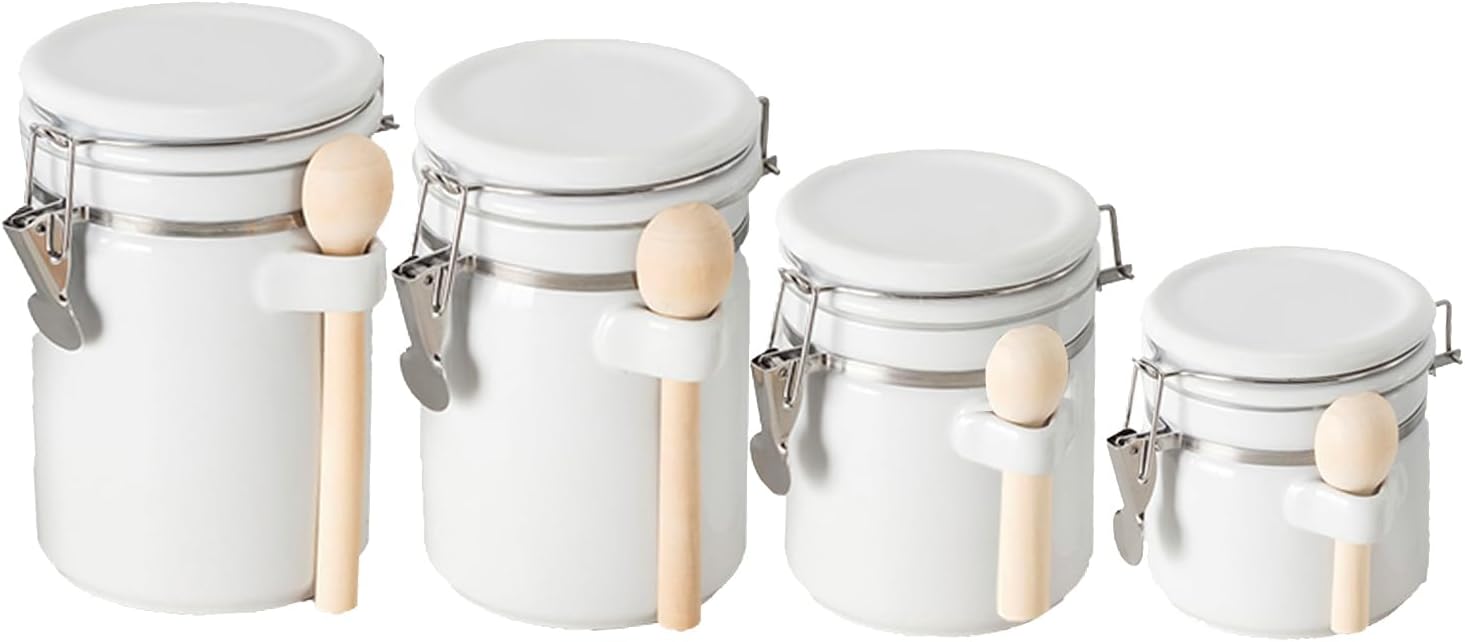
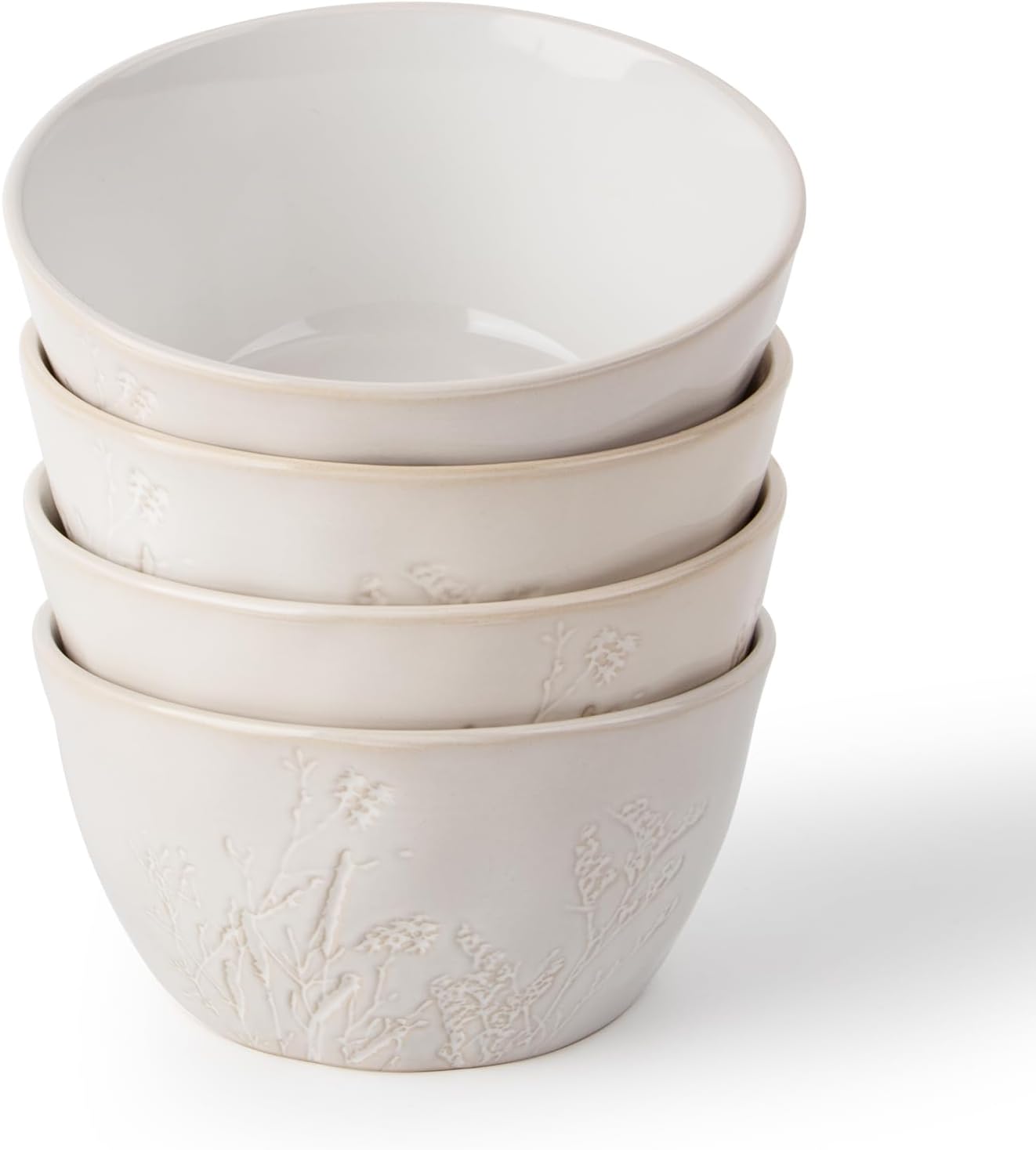
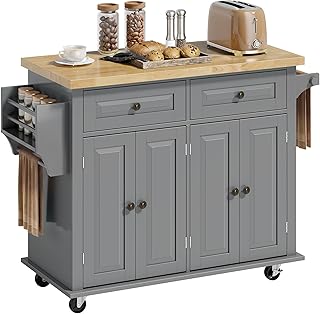
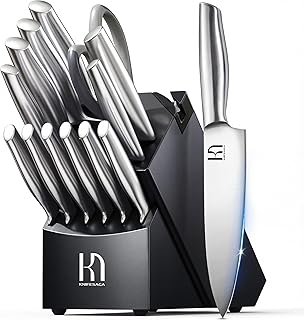
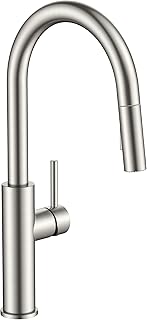
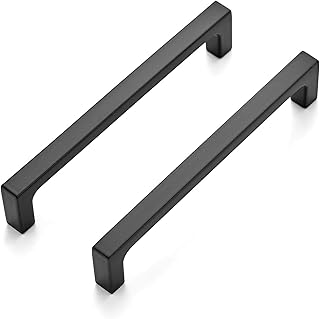
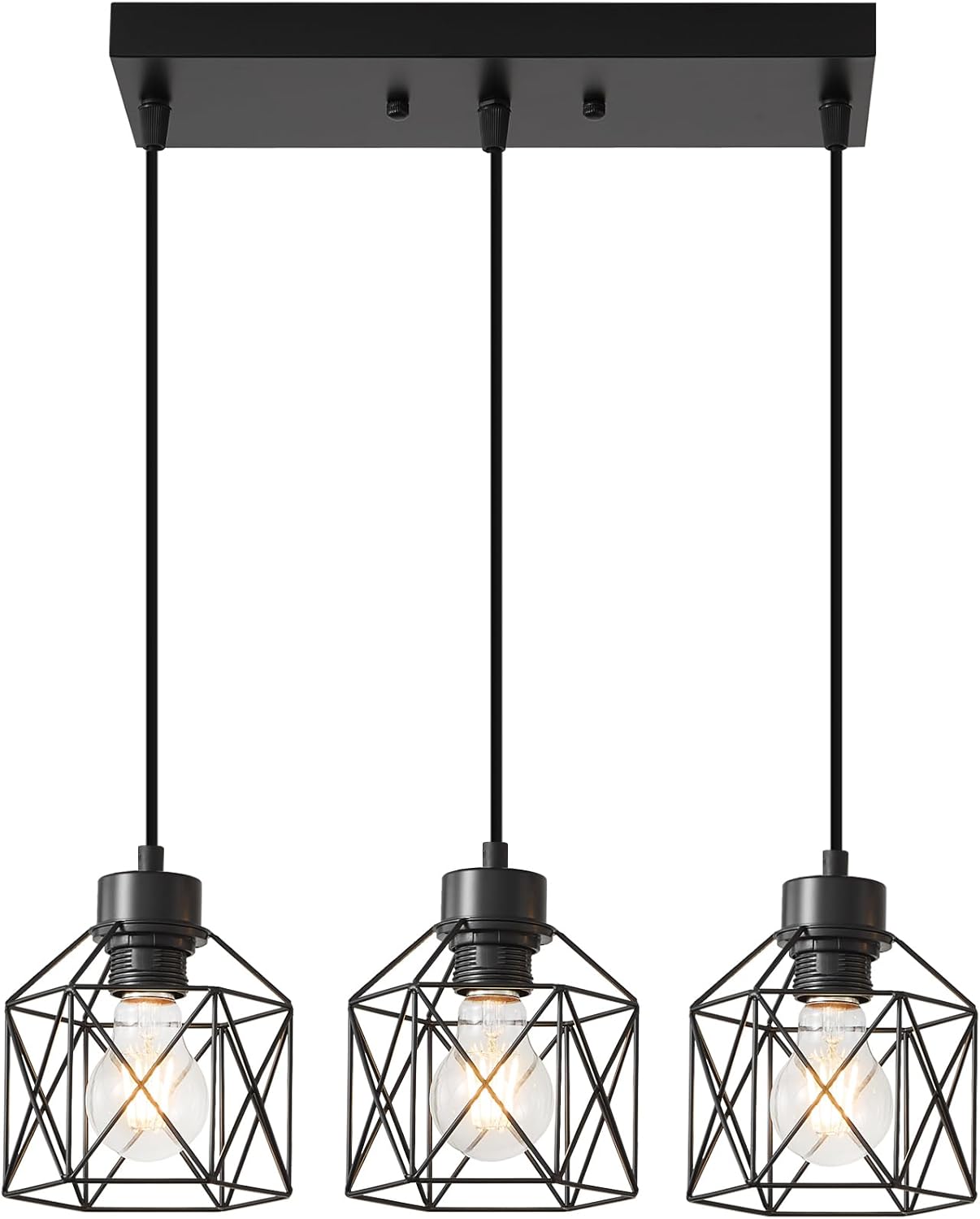
The Egyptian Kitchen Design Ideas Renovation Journey
This kitchen followed an eight-stage renovation path, moving from a stripped, dated shell through framing, drywall, flooring, paint, and finally fixture installation. Each stage below shows the same room from the same angle, so the transformation is easy to follow from start to finish.
Stage 1: Before — Fully Gutted Shell
The renovation concept starts with a completely stripped kitchen — bare walls, exposed wire stubs, and a concrete subfloor. This blank slate is where the modern-Egyptian fusion plan begins to take shape.
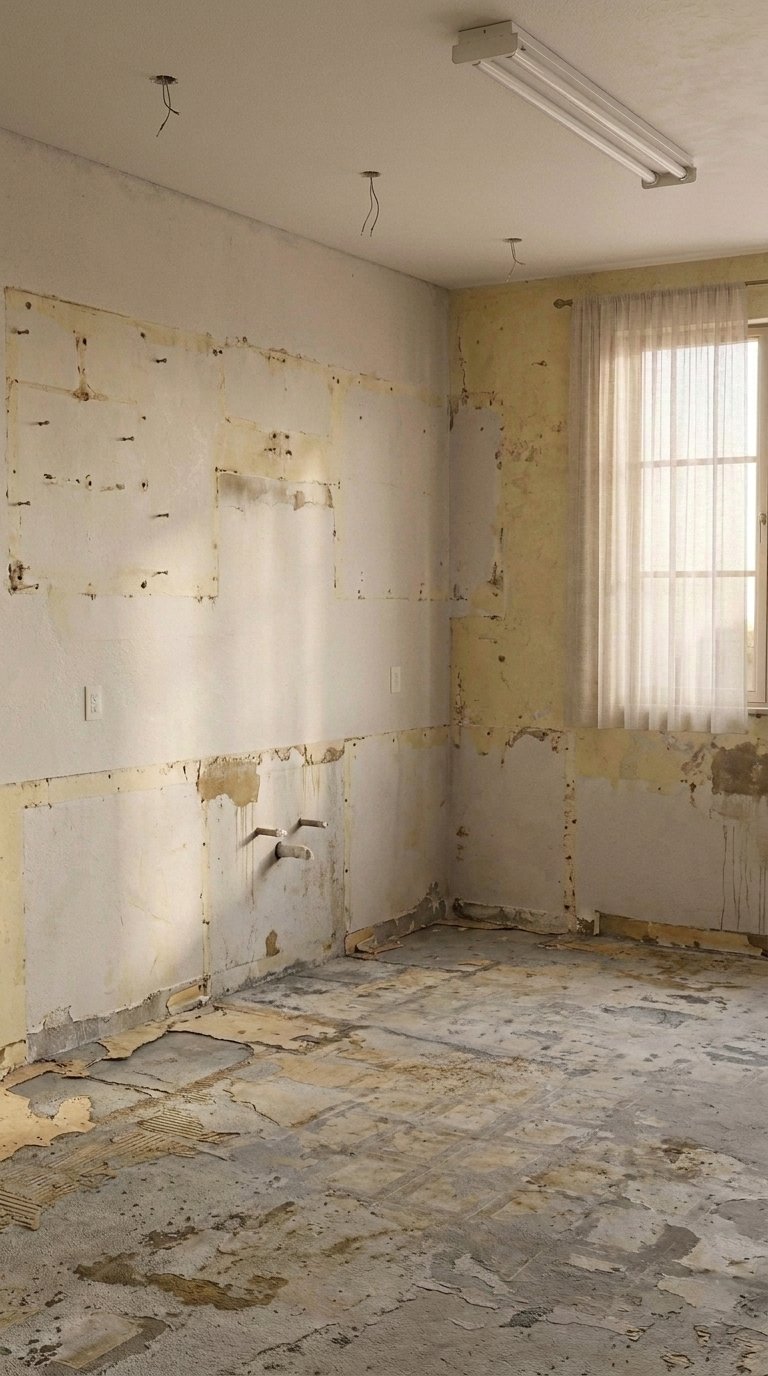
Stage 2: Demolition
A section of the original wall is opened back up to structural studs as part of reworking the layout for the new backsplash zone and cabinetry run.
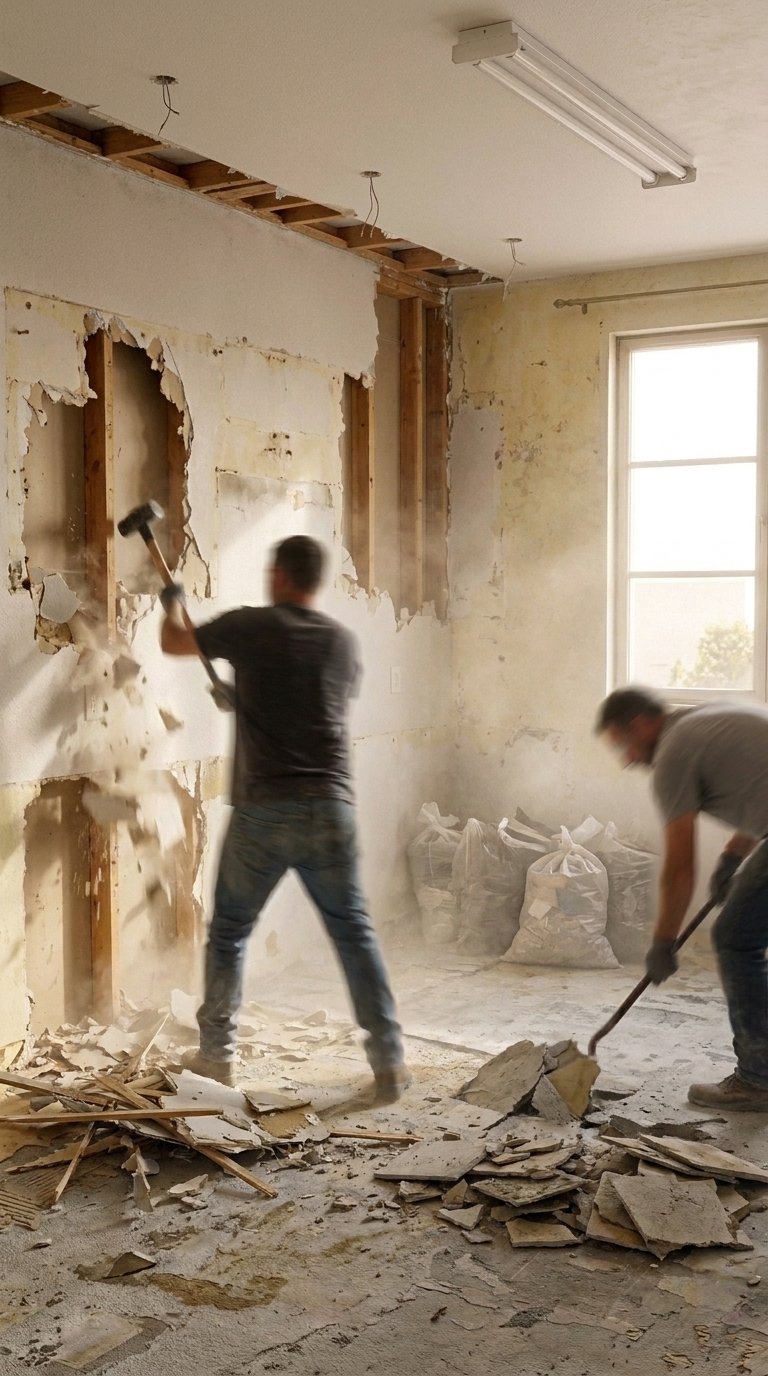
Stage 3: Structural & Framing
New wall framing goes in along with the electrical rough-in for the pendant lighting and under-cabinet outlets that the finished design calls for.
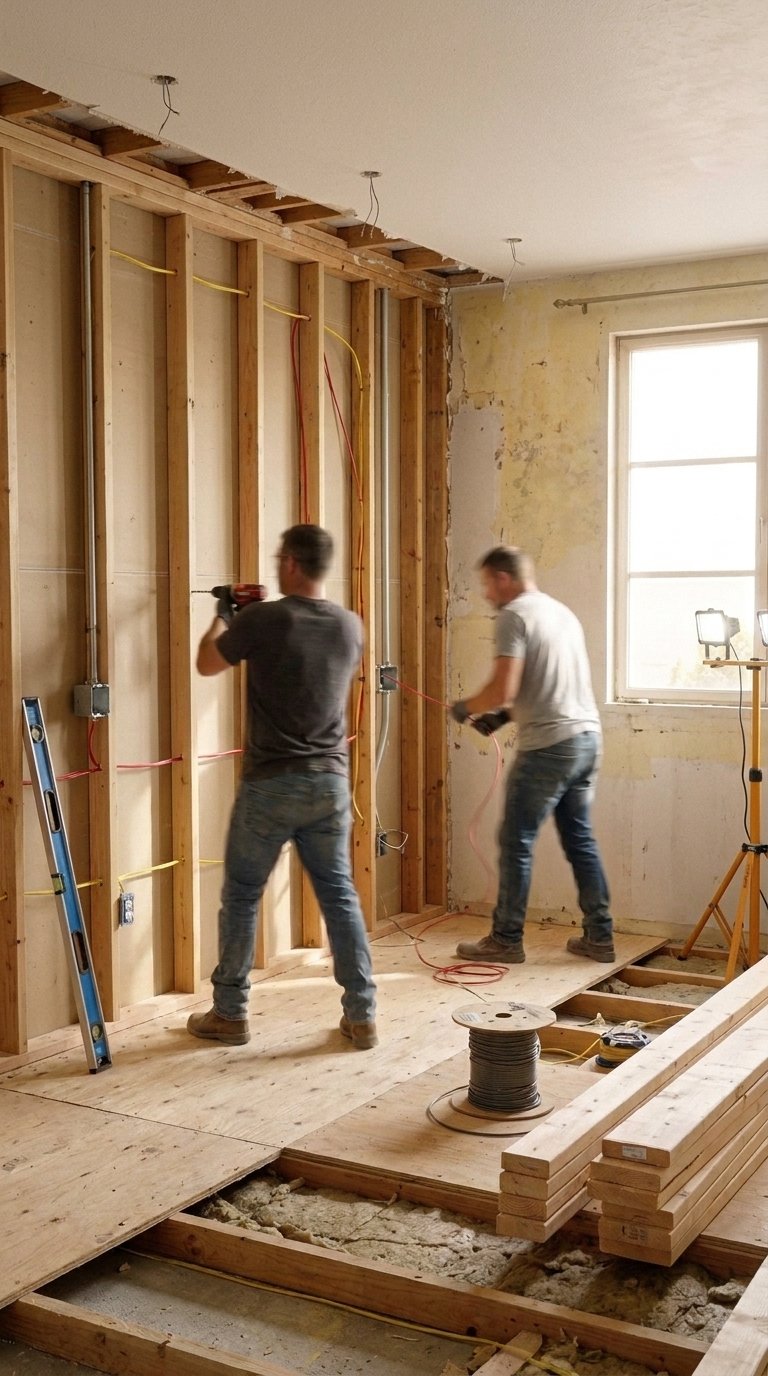
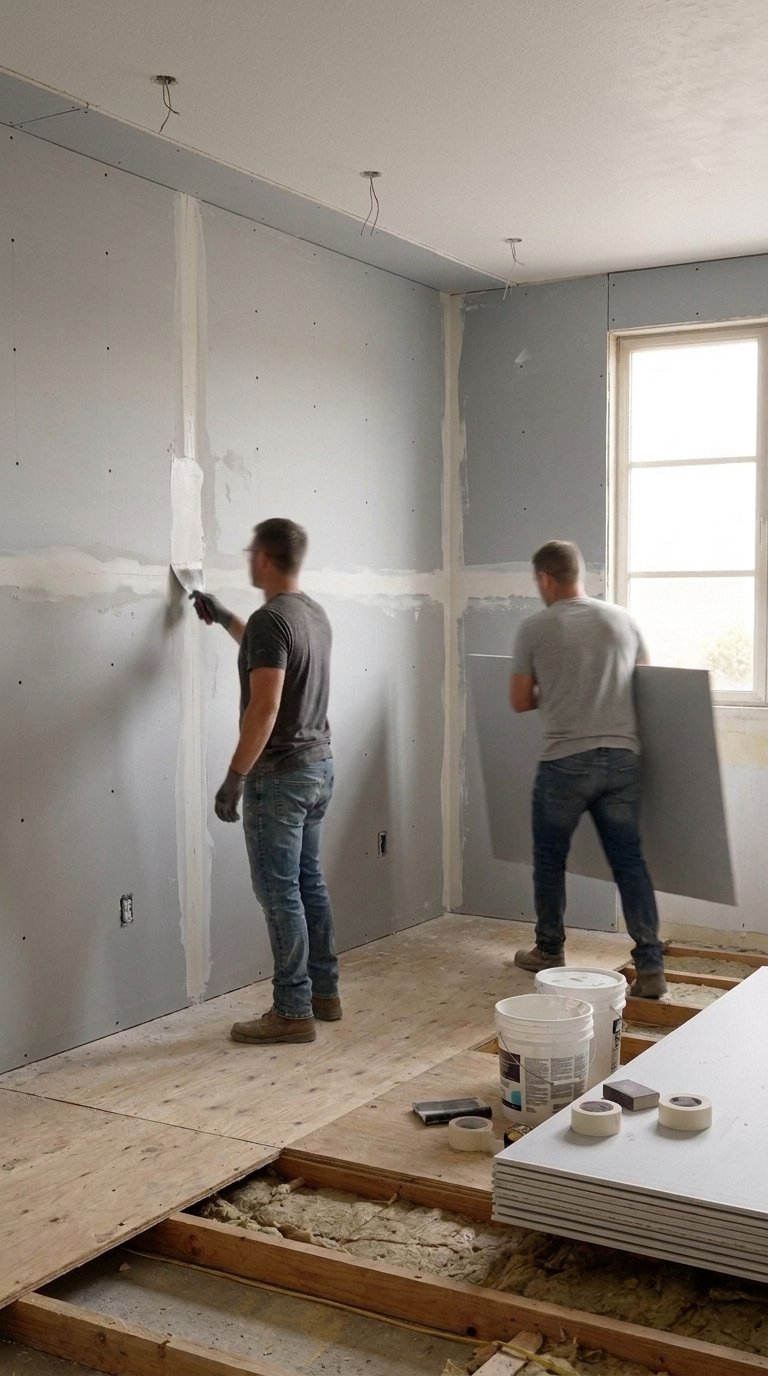
Stage 4: Drywall & Subfloor
Fresh drywall closes up the walls and a new plywood subfloor is laid down, prepping the room for the travertine-look tile that defines the finished floor.
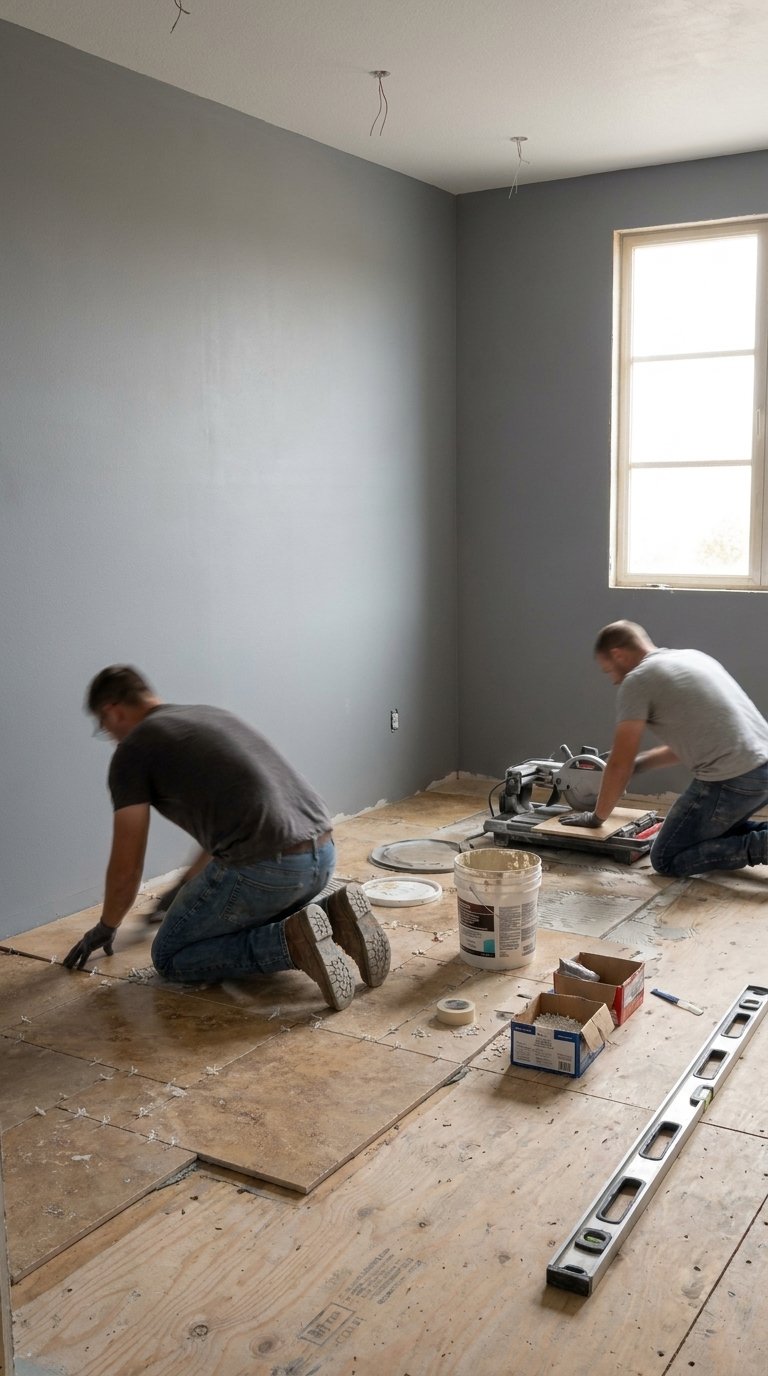
Stage 5: Flooring & Tile
Warm travertine-style floor tile goes in wall to wall, setting the neutral, earthy base tone that the sage-green cabinetry and terracotta backsplash will sit on top of.
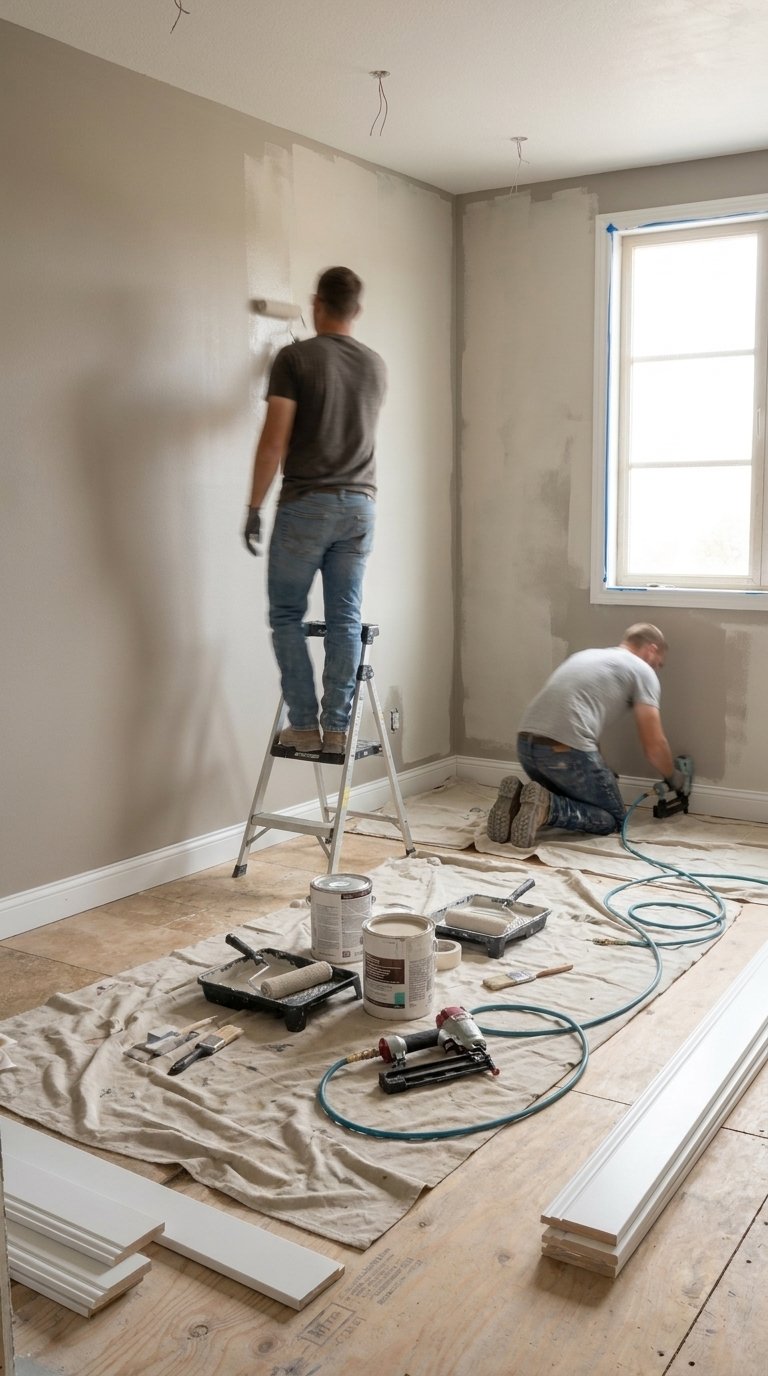
Stage 6: Paint & Trim
Walls are painted in a warm greige tone and new baseboards go in, giving the room its modern neutral shell before the Egyptian-inspired accents are installed.
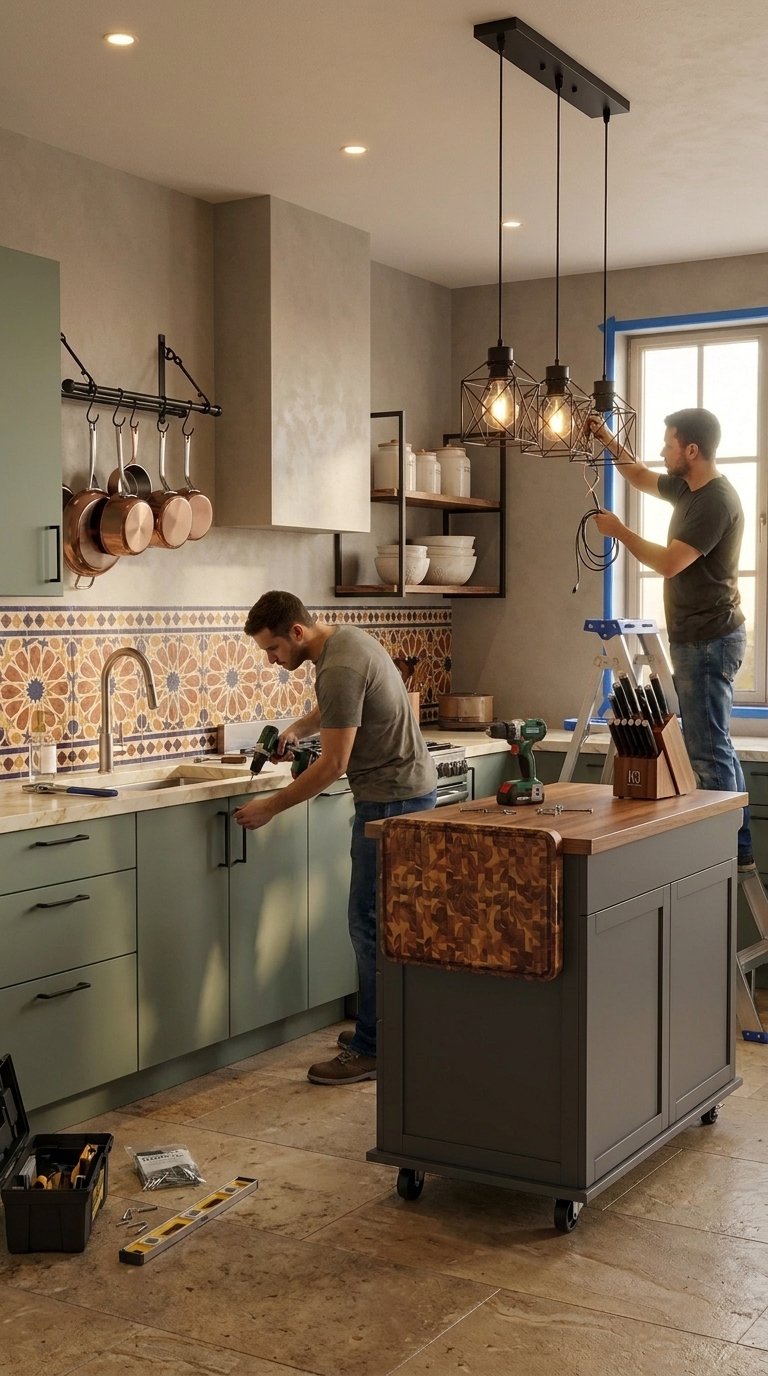
Stage 7: Fixtures & Hardware
The final stage brings in the details that make the design concept read as finished: matte black cabinet hardware, brass-accented pendant lighting above the island, and the last of the plumbing fixtures.
Design Tips for Recreating These Egyptian Kitchen Design Ideas
A few design decisions make this modern-Egyptian fusion kitchen concept work, and they translate well to almost any kitchen layout:
Keep the cultural pattern to one zone. The geometric tile backsplash is the loudest element in the room, so it stays confined to the wall behind the range and sink. Extending a bold pattern like this across every surface tends to date a kitchen quickly — using it as a single feature keeps the design concept feeling intentional.
Let the cabinetry carry the modern half of the palette. Matte sage-green reads as current and pairs naturally with both matte black hardware and brass accents, which is what allows the warm Egyptian materials to feel like an accent layer rather than the whole story. For a similar approach using a different accent material, see this kitchen backsplash idea using black brick and olive cabinetry.
Use brass and copper sparingly but consistently. The same warm metal tone appears on the faucet-adjacent accents, the pot rack, and the pendant lighting, which is what makes the finishes feel coordinated instead of random. Budget for hardware early — a full kitchen cabinet refresh is one of the more affordable ways to shift a kitchen’s entire palette.
Anchor the room with a natural-wood island. A wood-top island grounds the space between the cool modern cabinetry and the warm terracotta backsplash, and it doubles as the most functional surface in the room. If ventilation is part of the renovation scope, this kitchen hood installation cost breakdown is a useful reference for budgeting that line item.
Frequently Asked Questions About Egyptian Kitchen Design Ideas
What colors work best for Egyptian kitchen design ideas?
The strongest Egyptian kitchen design ideas lean on warm neutrals — sandy beige, ochre, and terracotta — paired with jewel-tone accents like lapis blue or emerald green and finished with brass or copper metallic details. For a more modern-leaning version, those warm tones can sit alongside a contemporary base color like sage green or warm greige rather than covering the whole room in pattern.
Is a full geometric tile backsplash too much for a modern kitchen?
Not if it’s contained to one wall or zone. Using the tile as a single accent — typically behind the range or sink — keeps the geometric pattern from overwhelming a modern layout while still delivering the cultural detail that makes the design read as intentional rather than generic.
What is the most affordable way to start an Egyptian-inspired kitchen update?
Hardware and lighting are the lowest-cost, highest-impact starting points. Swapping in brass or matte black cabinet pulls, adding a patterned tile backsplash in a single zone, and introducing a wrought-iron-style pot rack can shift a kitchen’s entire character without a full renovation budget.
Does this design style work with existing wood or oak cabinetry?
Yes. Natural wood tones — like an acacia wood island top or cutting boards — pair naturally with the earthy palette these Egyptian kitchen design ideas are built around, so existing wood cabinetry can often stay in place while the backsplash, hardware, and lighting carry the cultural accents.
Final Thoughts on These Egyptian Kitchen Design Ideas
This modern-Egyptian fusion kitchen shows that cultural design references and contemporary color palettes are not mutually exclusive — a sage-green base, brass details, and a single geometric-tile accent wall can coexist without either element competing for attention. The full “Shop the Look” list above includes every product used to recreate the space, from the island and lighting down to the smallest countertop accents, so the look can be rebuilt at any budget.
Leave a Reply