
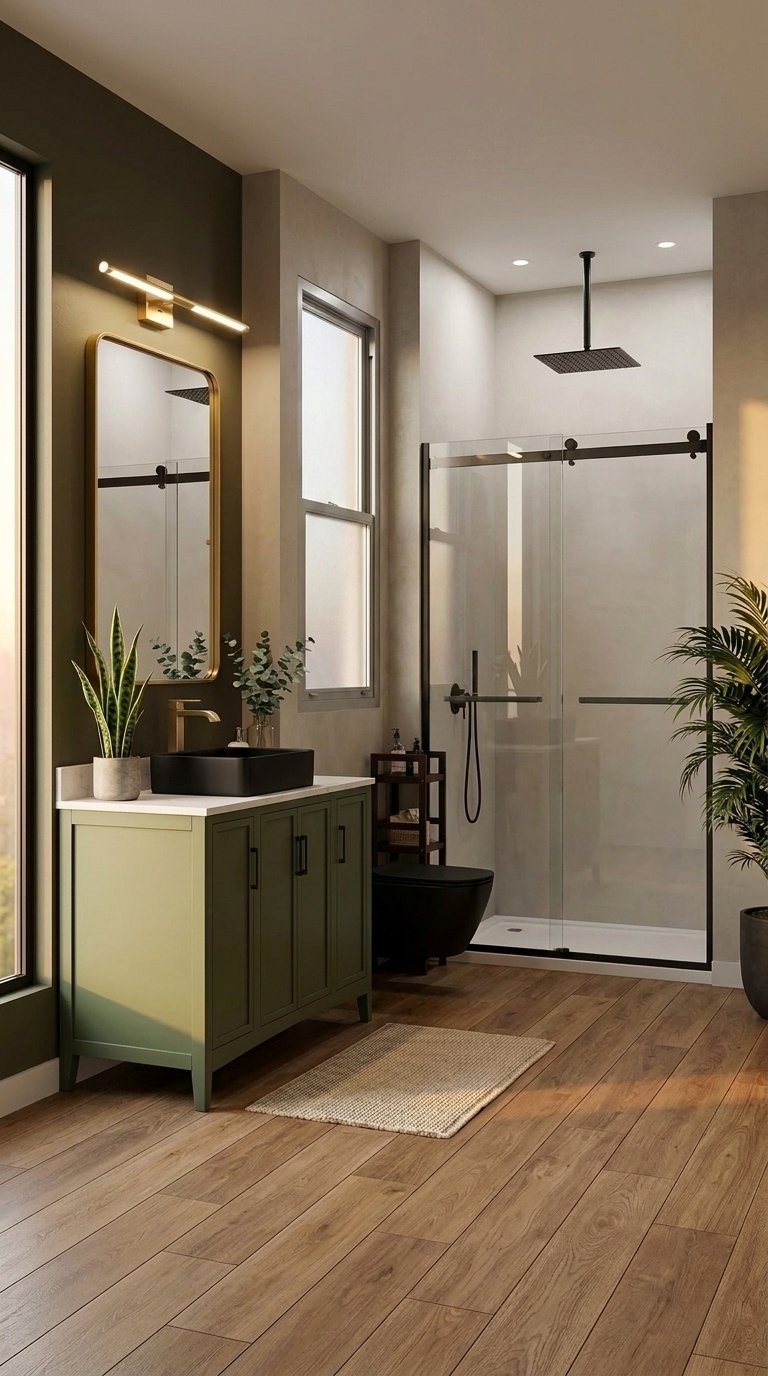
Walk in shower cost is one of the first questions homeowners ask once a dated tub-and-tile bathroom starts feeling more like a chore than a retreat. This renovation concept tackles that exact question, transforming a tired 1990s layout into a moody, spa-like walk-in shower with a full transparent budget behind every material choice. Below is the complete walk in shower cost breakdown for this specific transformation, plus the exact products used to recreate it.
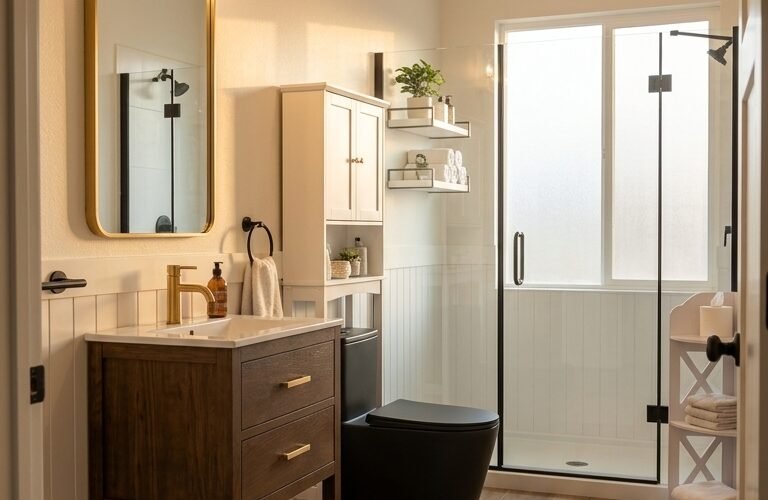
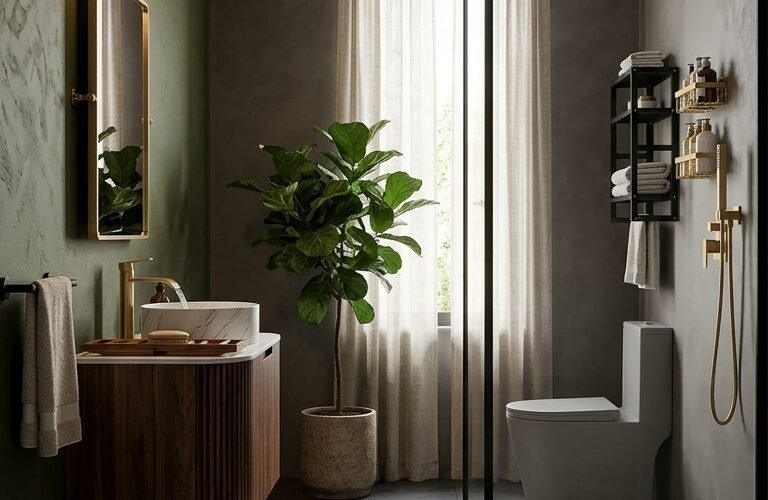
The design direction here leans into a moody botanical palette: dark olive cabinetry, brushed gold hardware, matte charcoal fixtures, and a few trailing botanicals to soften all that hard tile and glass. It is a style that photographs beautifully and, as the numbers below show, does not require a five-figure renovation budget to pull off. For more design inspiration in this same vein, see this walk-in shower budget ideas roundup for additional layout and material options.
Shop the Look
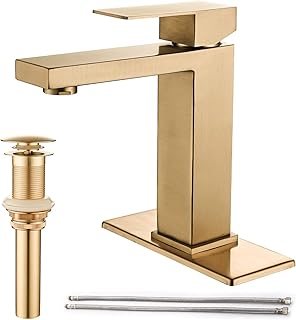
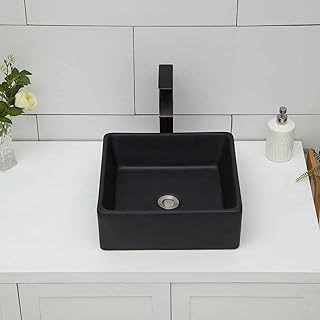
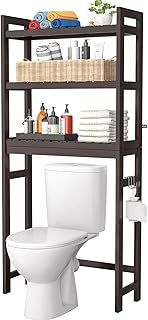
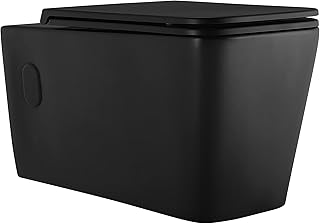
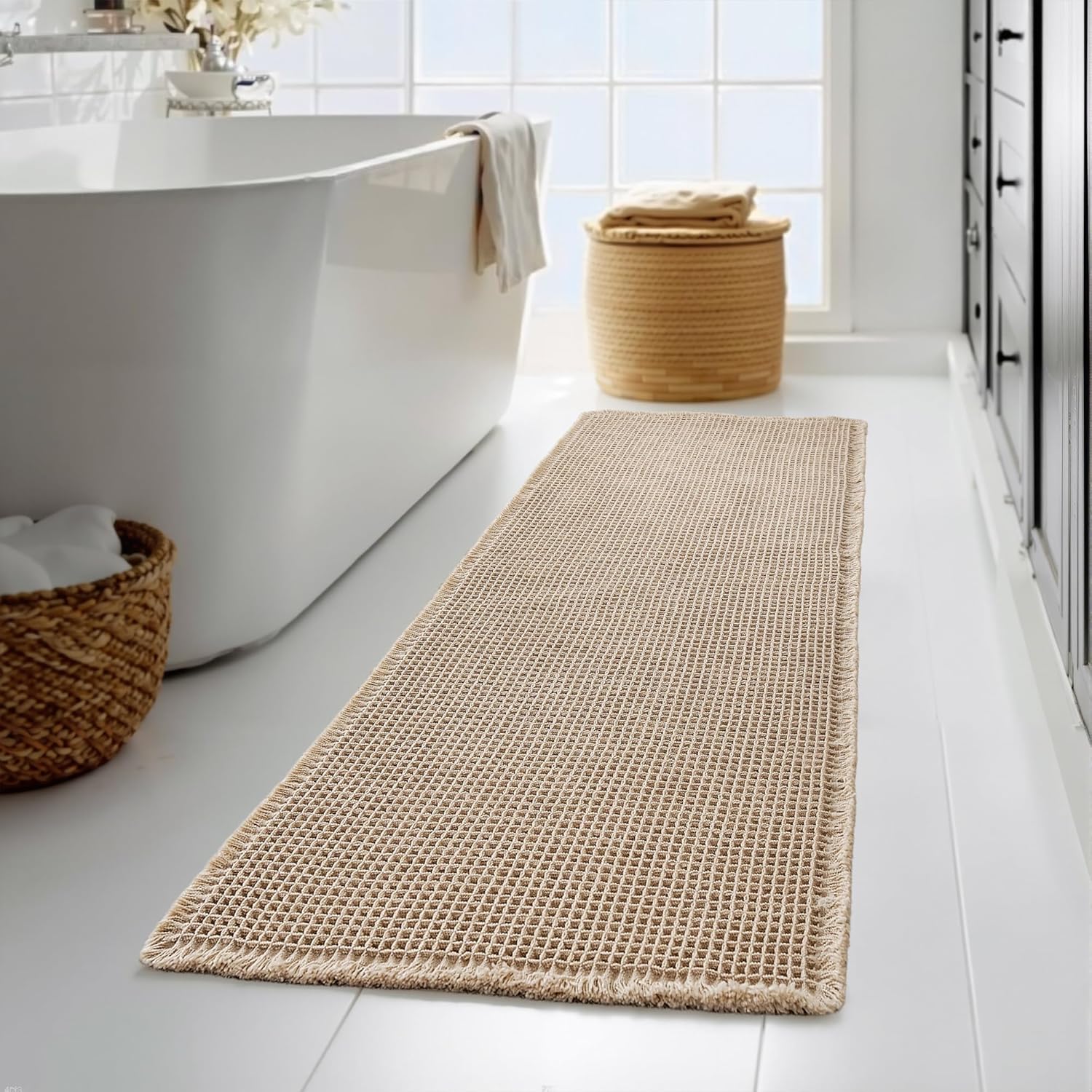
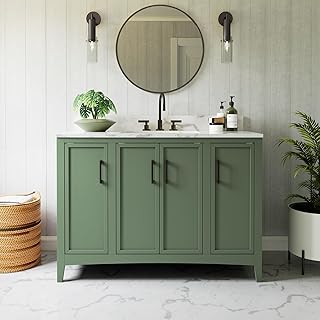
Recreate this walk-in shower renovation with these handpicked Amazon products.
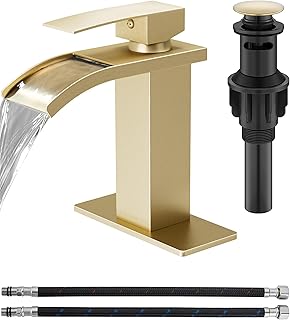
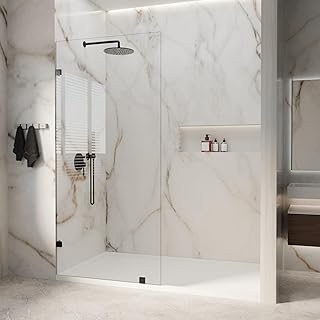
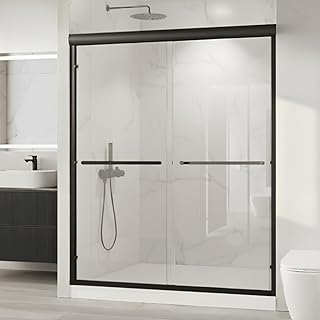
Breaking Down the Walk In Shower Cost
This particular walk in shower cost comes out to just over $2,000 in materials and fixtures — a figure that covers the vanity, the glass shower enclosure, the shower system, lighting, hardware, and finishing touches. That number does not include labor, which varies significantly by region — see this bathroom remodel labor cost per square foot breakdown for a closer look at that side of the budget — but it gives a realistic materials-only benchmark for anyone pricing out a similar project.
Where does the money actually go? The vanity is typically the single biggest line item in a walk in shower cost estimate, followed closely by the glass enclosure itself. Frameless or semi-frameless glass panels for a walk-in shower commonly run $200–$400 per panel depending on size and hardware finish, and most walk-in showers need two panels to fully enclose the wet area.
Where Walk In Shower Cost Adds Up Fastest
- Glass enclosure: Matte black or brushed gold framed glass panels are the visual anchor of the room and typically the second-largest expense after the vanity.
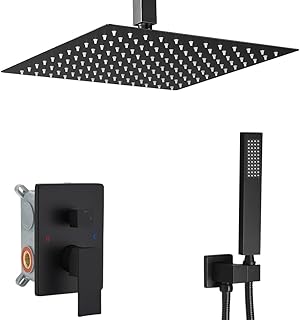
- Shower system: A rain shower head with a handheld wand combo adds a hotel-spa feel without requiring a full plumbing overhaul.
- Vanity and countertop: Solid wood vanities with a painted or stained finish (like the olive-green option featured here) cost more than laminate builder-grade units but last considerably longer.
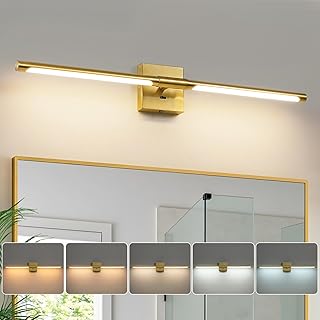
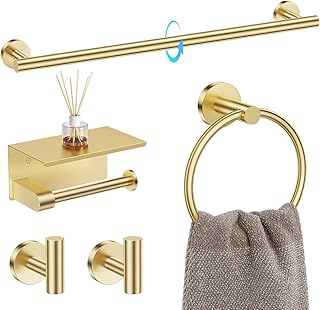
- Lighting and hardware: Brushed gold vanity lights, towel bars, and faucets are inexpensive individually but add up when purchased as a coordinated set.
Design Tips for a Moody Botanical Walk-In Shower
Homeowners can achieve this look by anchoring the room around one saturated color — in this case, a deep olive green vanity — and then keeping every other surface neutral. This renovation approach combines matte black or brushed gold fixtures to create contrast without competing for attention against the green cabinetry. The vanity itself follows a similar space-conscious logic to the pieces featured in this bathroom vanity ideas for small spaces guide.
A few smaller design choices make a noticeable difference in how the finished walk-in shower reads:
- Warm-toned wide-plank flooring keeps the room from feeling cold or clinical despite all the glass and metal surfaces.
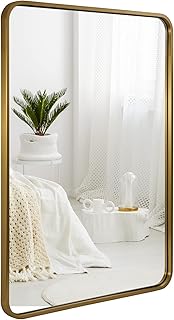
- A single oversized mirror with a brushed gold frame does more visual work than several smaller accessories.
- Potted botanicals — a snake plant or trailing pothos — soften the hard lines of the glass shower enclosure and tie into the “botanical” half of the style name.
- Matching metal finishes (all brushed gold, or all matte black) throughout the hardware keeps the space feeling intentional rather than assembled piecemeal.
The Renovation Journey: From Gutted Shell to Finished Shower
This section walks through each stage of the transformation, from the original gutted room through framing, flooring, paint, and final fixture installation. Following a renovation stage by stage helps clarify exactly where a walk in shower cost estimate should allocate the most budget.
Stage 1: Demolition Complete
The room starts here — fully stripped down to bare studs and subfloor, with old plumbing stub-outs capped and waiting for the new layout.
Stage 2: Demolition
Old tile, flooring, and fixtures come out completely during this phase. This is also when any hidden issues — water damage, outdated plumbing, electrical that needs updating — tend to surface.
Stage 3: Structural Framing
New framing establishes the footprint of the walk-in shower, with rough plumbing and electrical run before anything gets closed up behind drywall or cement board.
Stage 4: Drywall & Backer Board
Cement backer board goes up in the wet area to prep for tile, while the rest of the room gets standard drywall, taped and mudded smooth.
Stage 5: Flooring & Tile
Warm oak-look flooring goes down throughout the main room, while large-format tile is set inside the shower footprint with precision spacing.
Stage 6: Paint & Trim
This is where the signature deep olive accent wall gets its color, alongside fresh neutral paint on the remaining walls and new baseboards throughout.
Stage 7: Fixtures & Hardware
The last stretch of any walk in shower cost estimate goes toward the details: vanity lighting, cabinet hardware, the rain shower head, and towel bars — the pieces that make the room feel finished rather than just functional.
Frequently Asked Questions
What is the average walk in shower cost?
Materials-only walk in shower cost for a moderate renovation like this one typically lands between $1,800 and $3,500, depending on the vanity, glass enclosure style, and fixture finishes selected. Labor costs are separate and vary widely by region and contractor.
Is a walk-in shower cheaper than a tub-shower combo?
Materials can be comparable, but a walk-in shower often saves money on framing and waterproofing labor since there is no tub to work around. The glass enclosure is usually the trade-off expense against the lower cost of a shower curtain or sliding tub door.
How much does the glass enclosure add to walk in shower cost?
A frameless or semi-frameless glass panel setup typically adds $400–$800 to total materials cost for a two-panel enclosure, depending on glass thickness and hardware finish.
Can this style work in a small bathroom?
Yes. The moody botanical palette actually works well in smaller spaces because the dark accent wall and warm flooring create depth rather than making the room feel cramped, especially when paired with a large mirror to bounce light around.
What is the most expensive single item in this renovation?
The solid wood vanity is the largest single line item in this walk in shower cost breakdown, followed by the glass shower enclosure panels.
Final Thoughts
This walk in shower cost breakdown shows that a genuinely upscale-looking bathroom renovation does not require an unlimited budget — just a clear plan for where the money should go. Prioritizing the vanity and glass enclosure, then filling in with coordinated hardware and lighting, is what makes this moody botanical look come together for right around two thousand dollars in materials. Homeowners planning a similar project can use the Shop the Look section above to source the exact pieces featured in this transformation.
Leave a Reply