
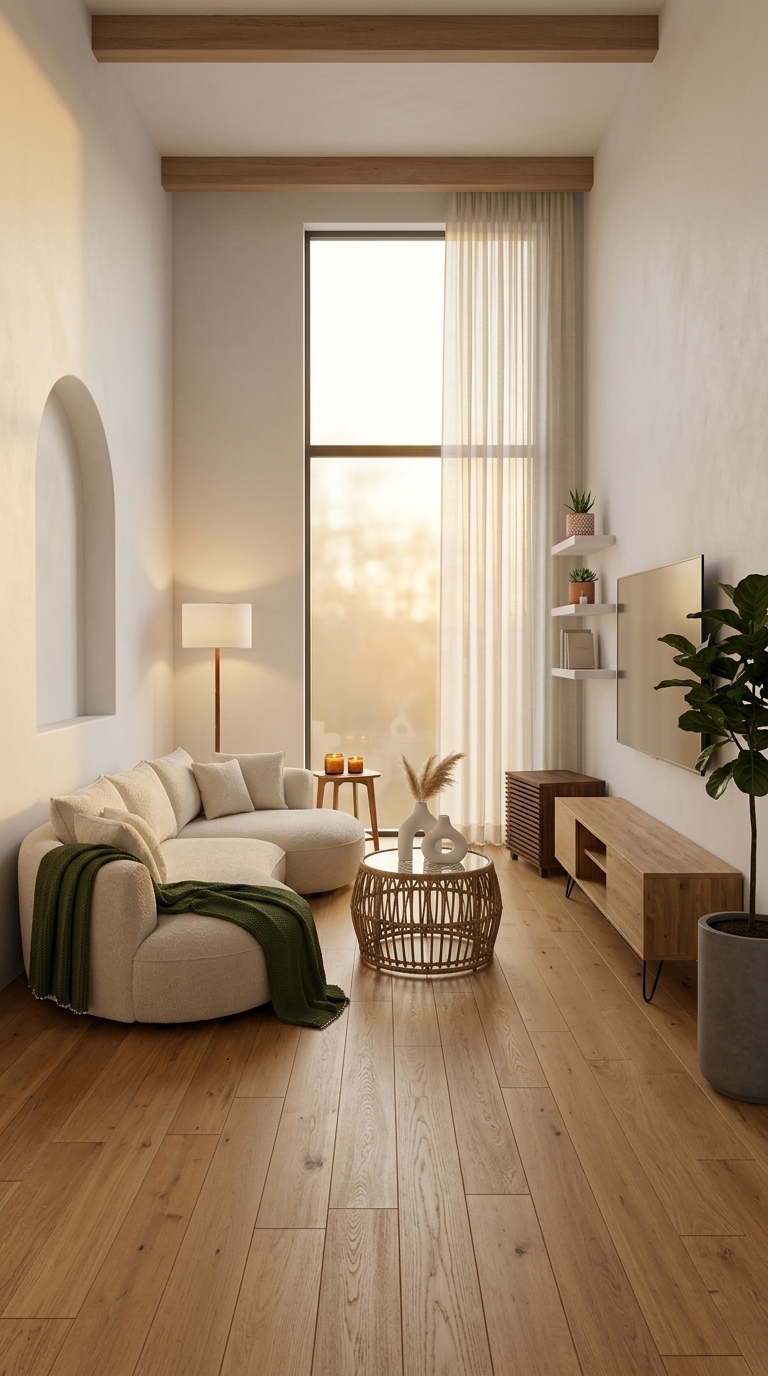
The Living Room That Finally Feels Like Peace
There’s a reason Japandi is the fastest-growing interior design style of 2026. It’s not a trend — it’s a philosophy. Two cultures, Japan and Scandinavia, independently arriving at the same conclusion: a beautiful home is a quiet one. Every object earns its place, every surface breathes, and the room itself becomes a place to exhale.
This living room started as the opposite of that — peeling paint, scratched floors, walls marked by decades of life. The space was stripped completely to the studs and rebuilt around twelve carefully chosen pieces aligned with the Japandi principle of functional beauty. The result costs $3,154 in products and looks like it belongs in a design magazine. Every item is linked below.
Shop the Look
Every product used in this Japandi living room transformation, sourced from Amazon.
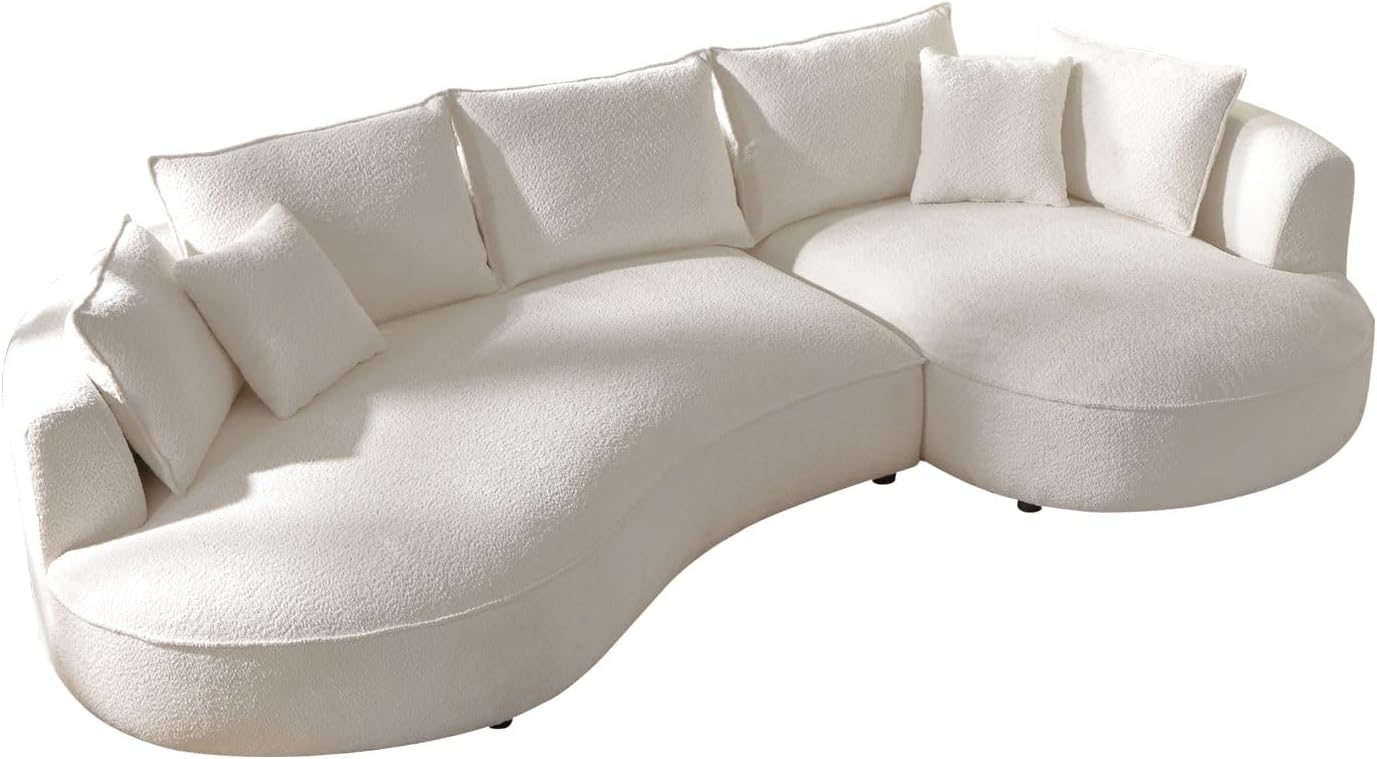
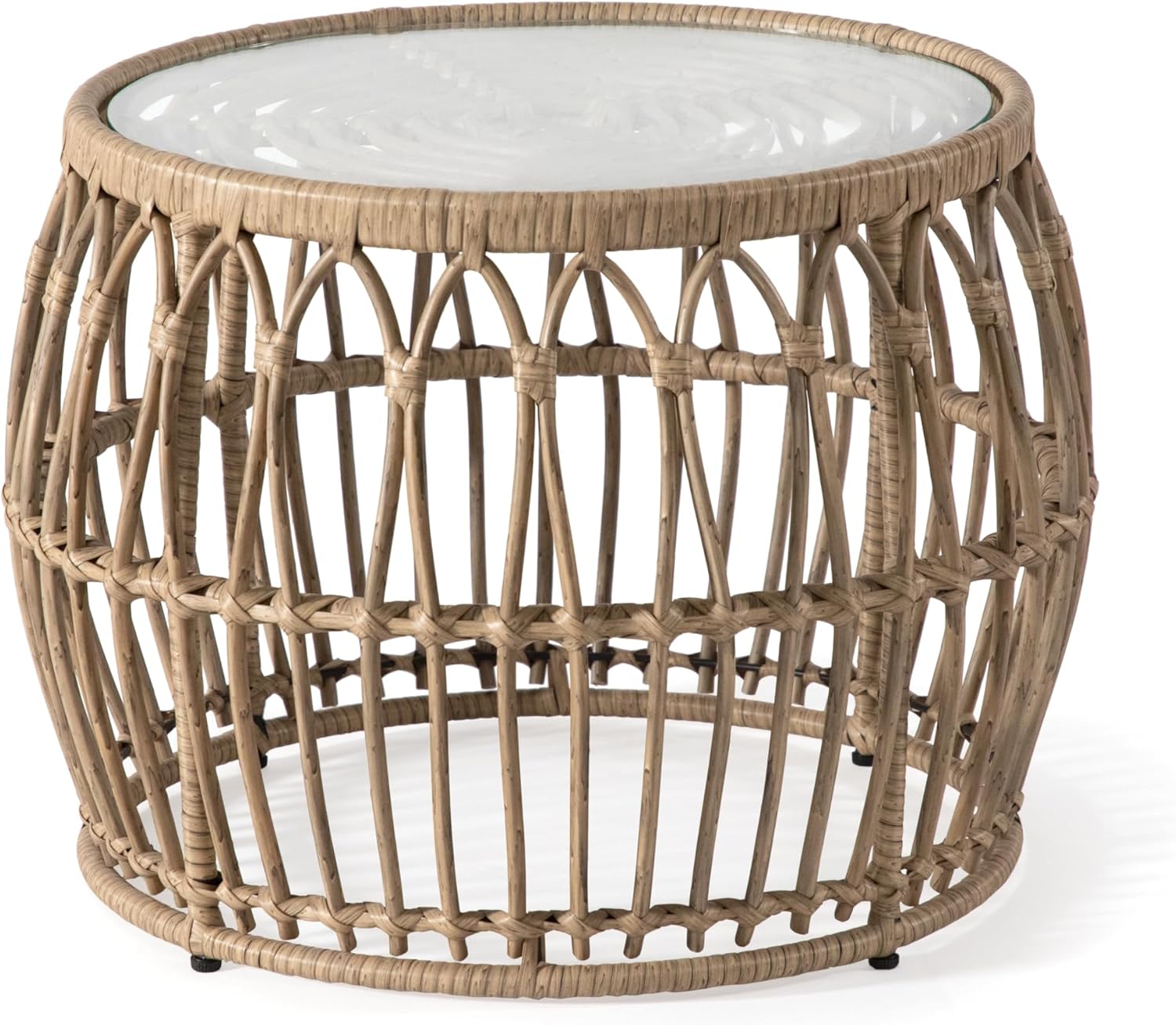
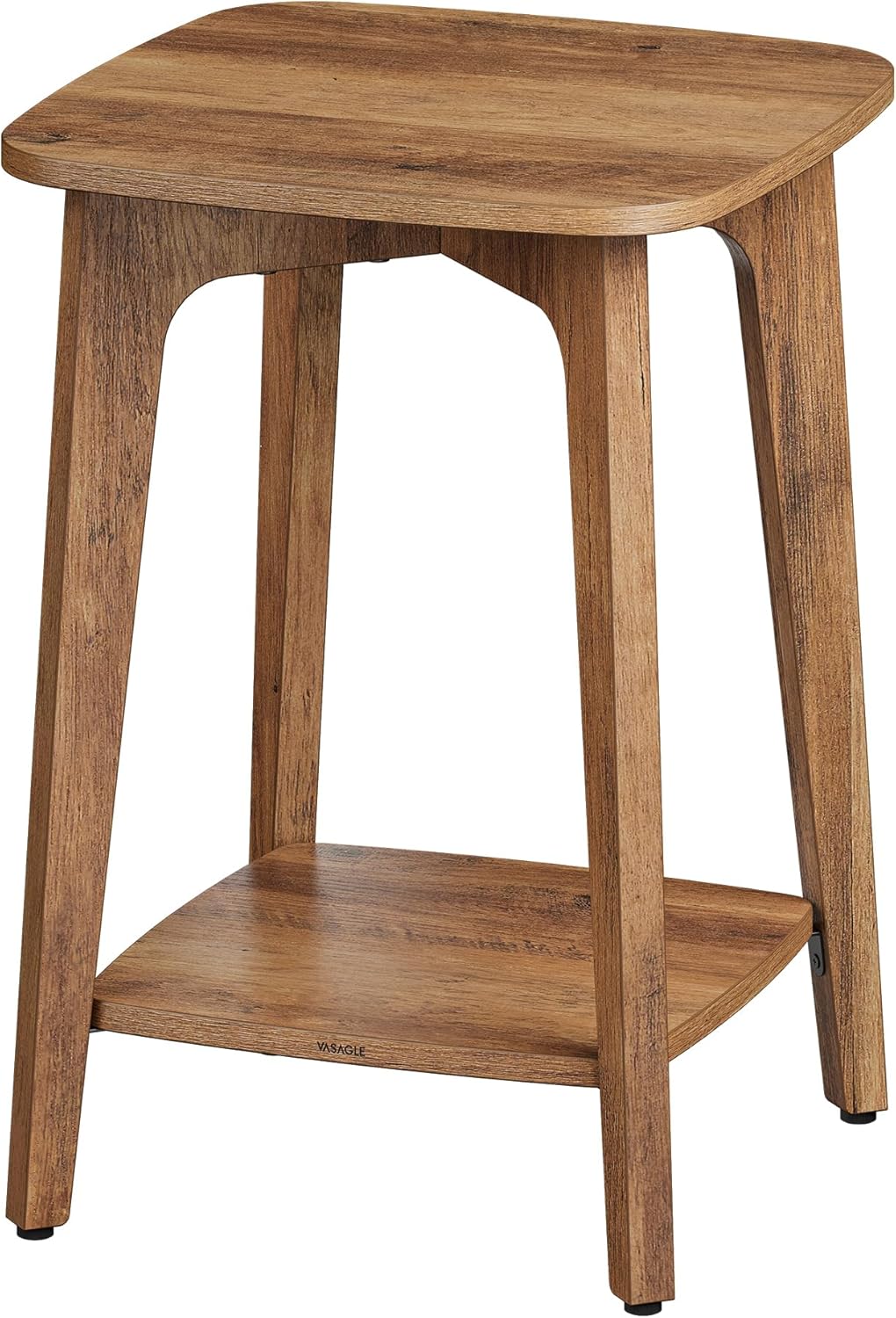
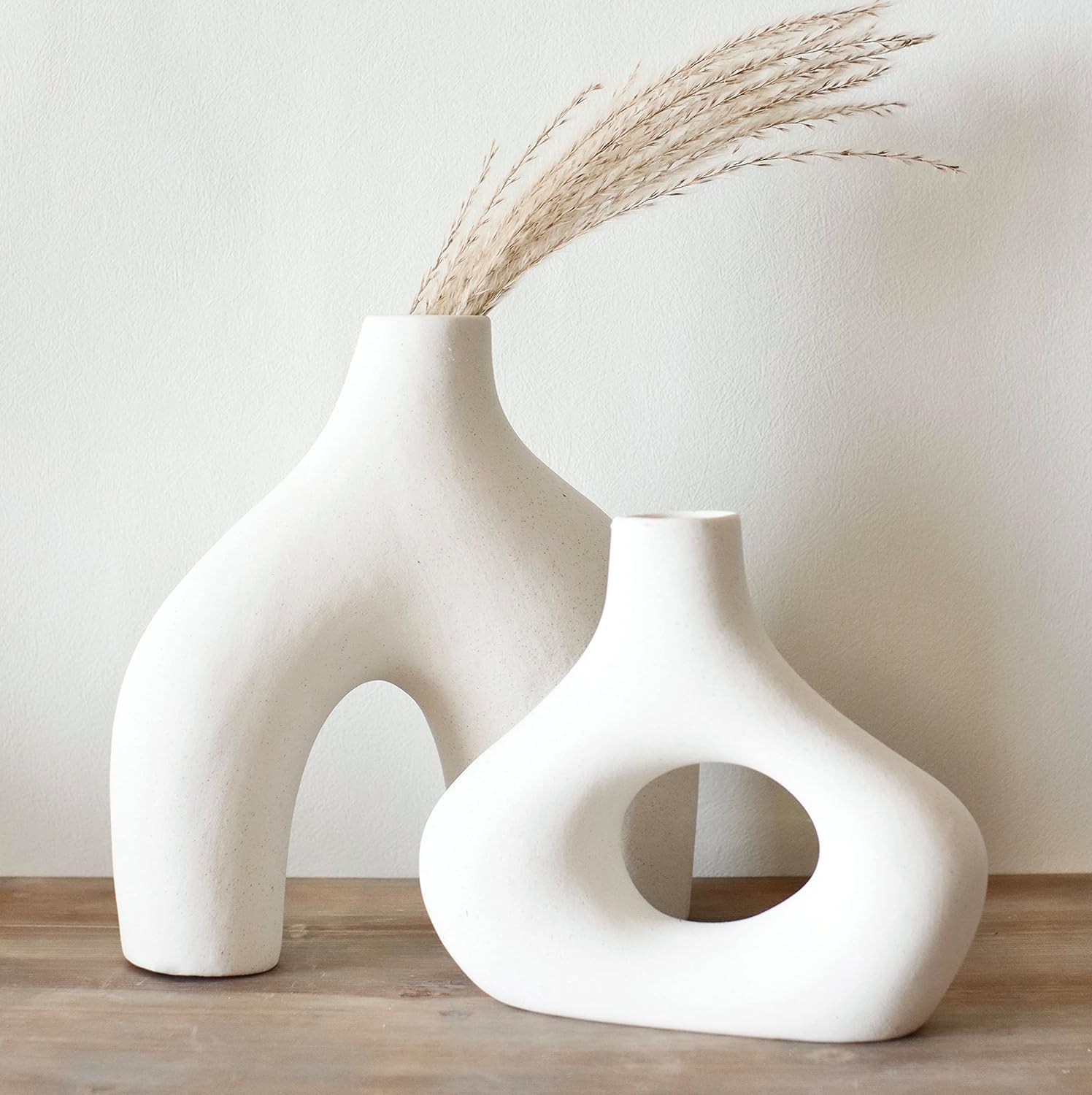
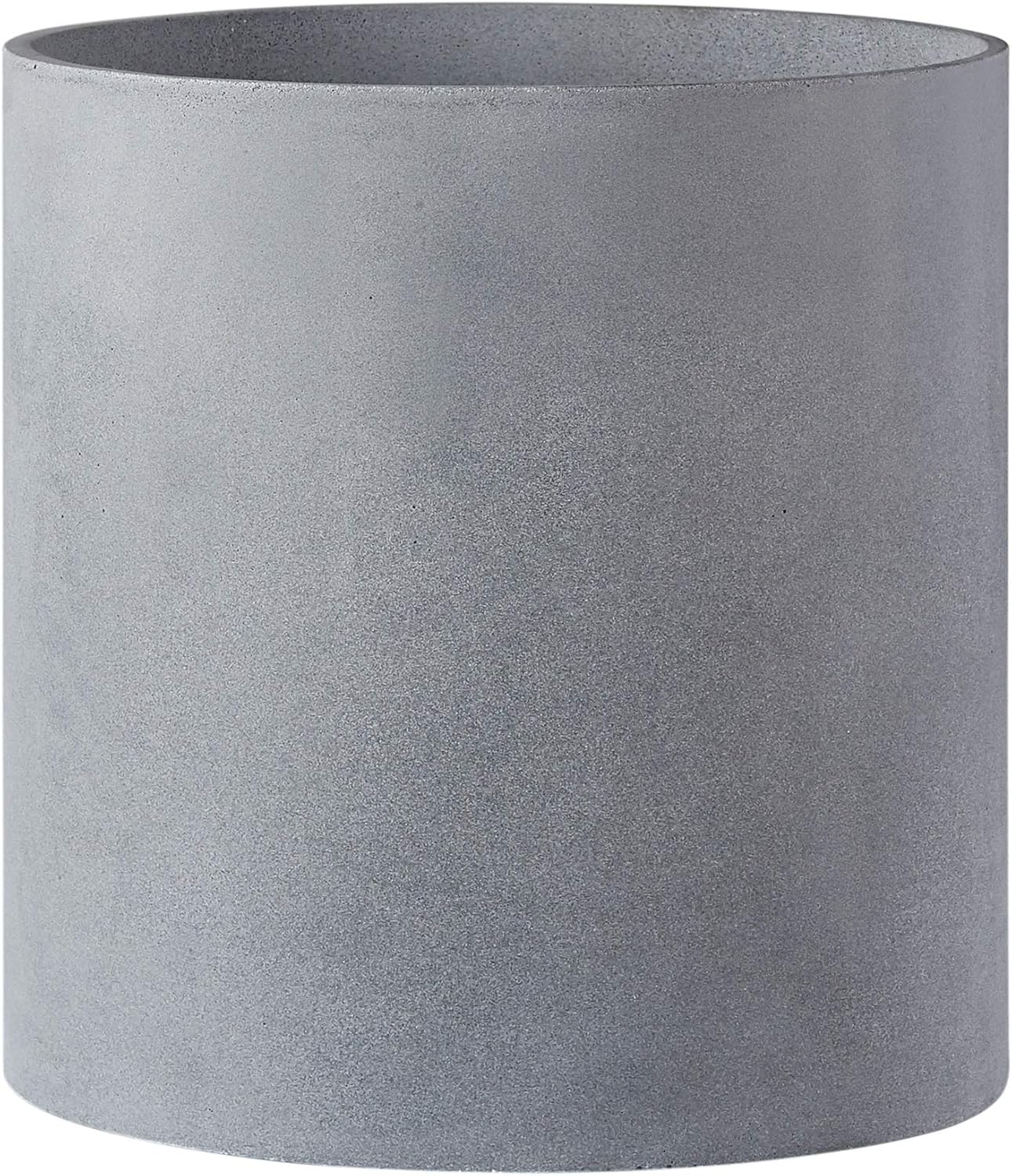
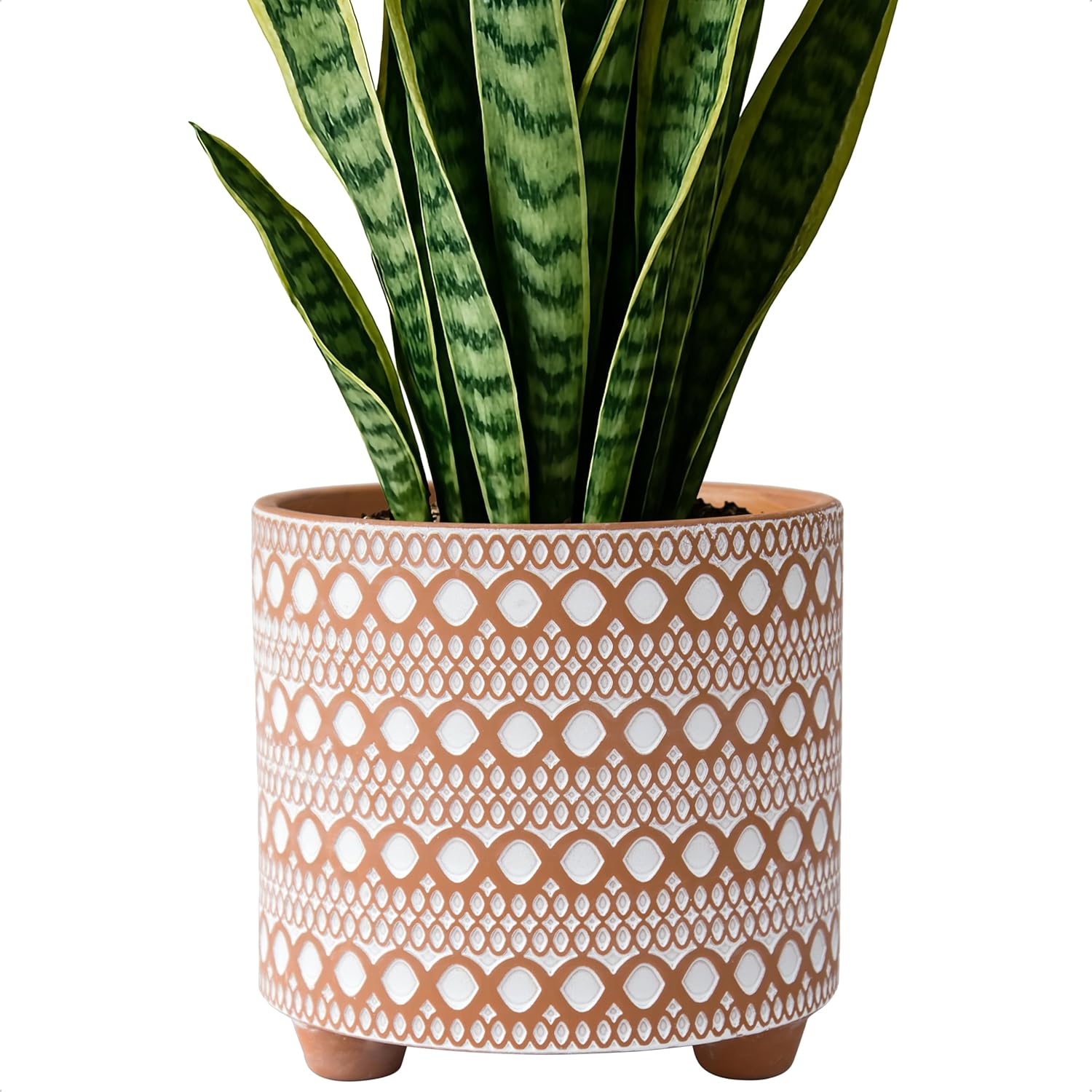
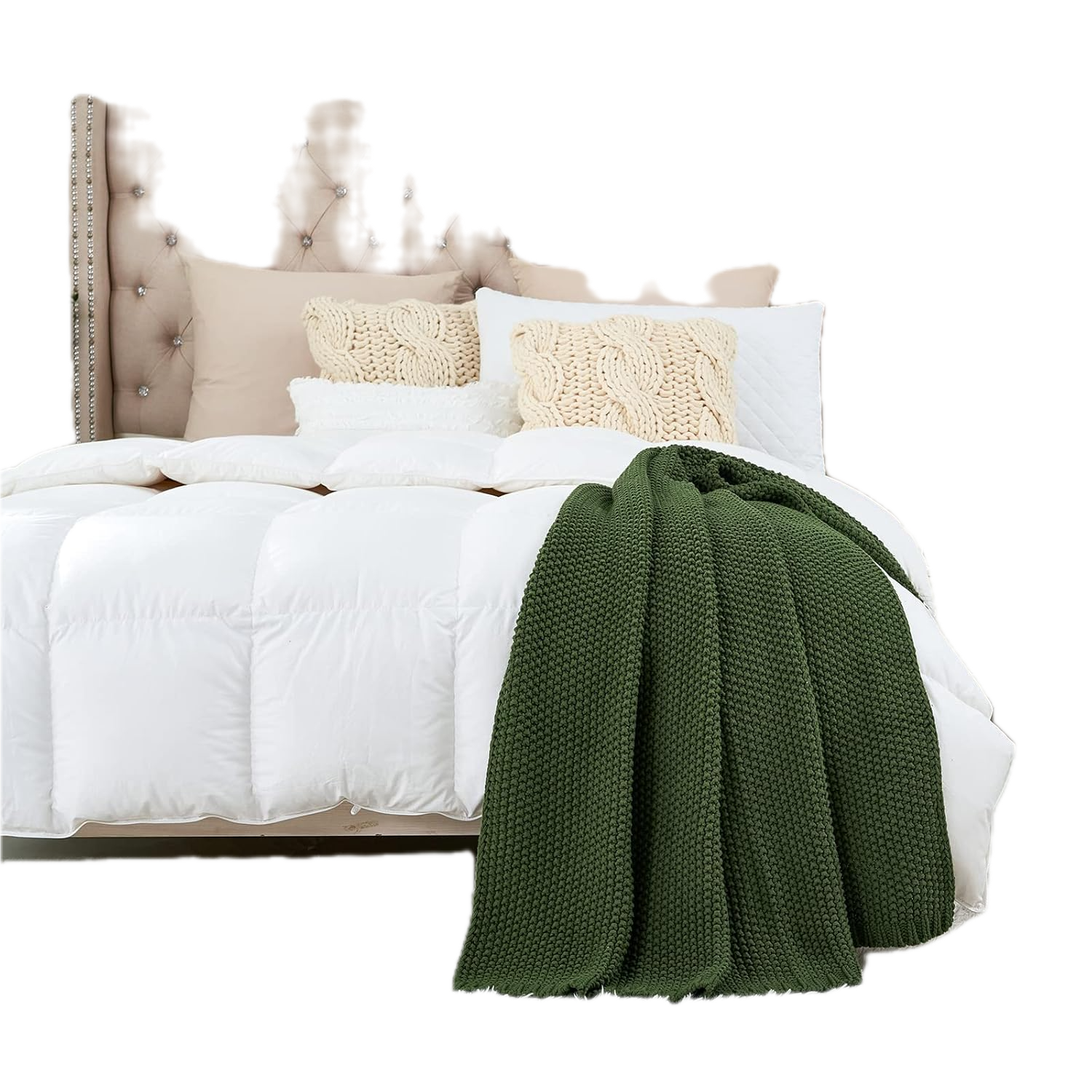

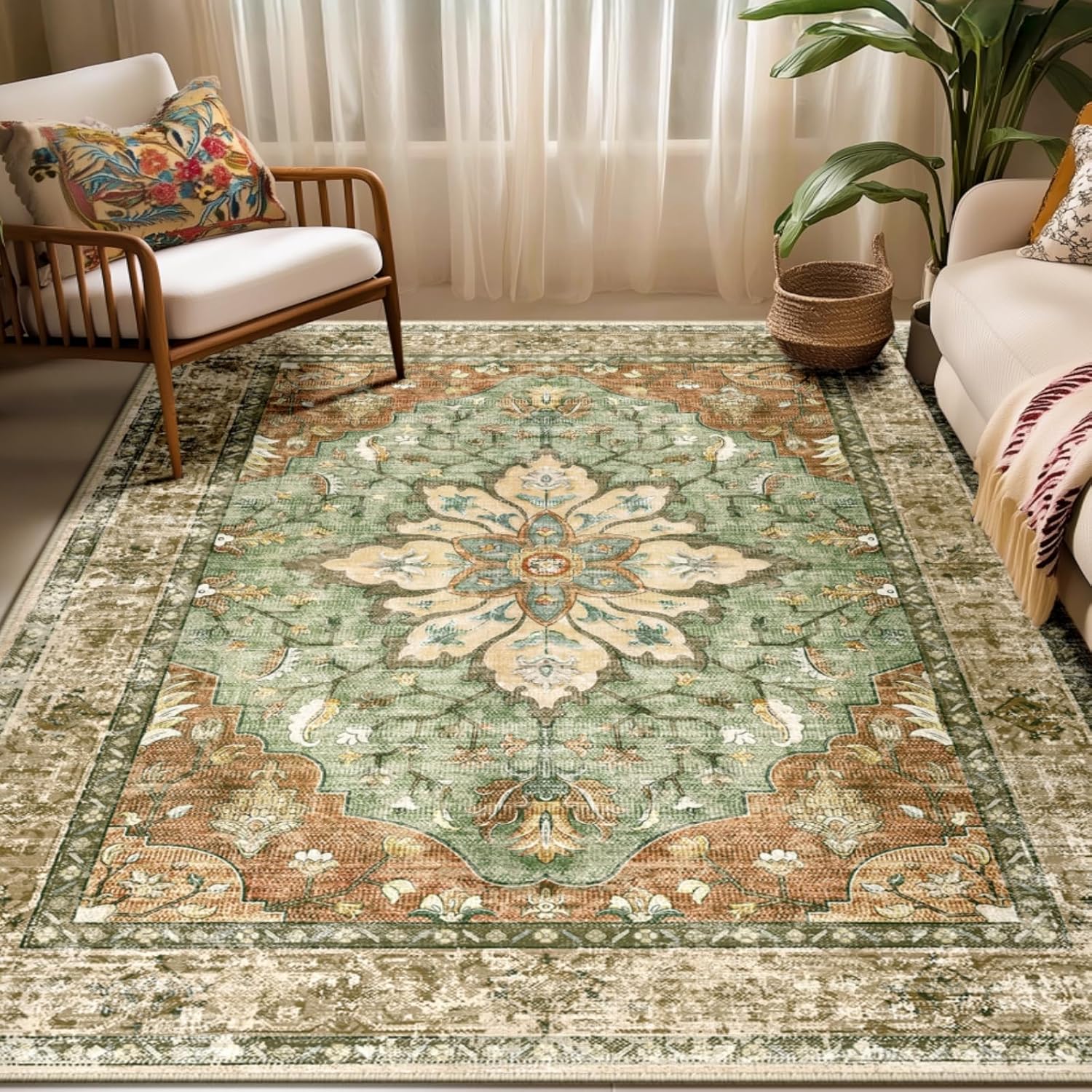
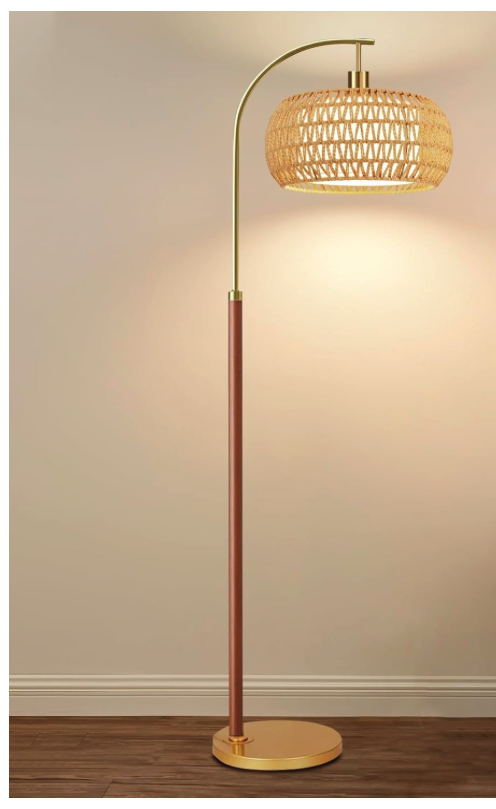
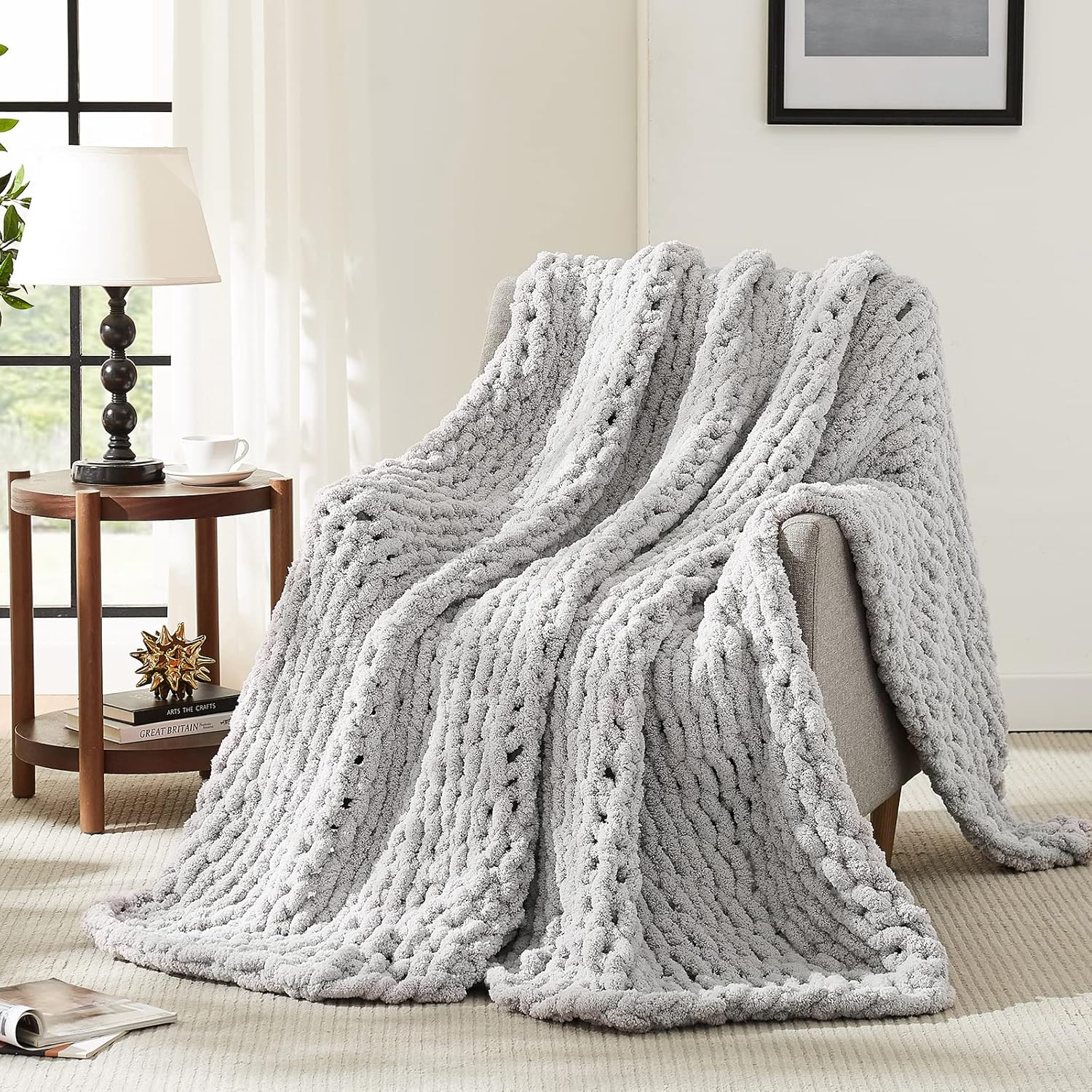
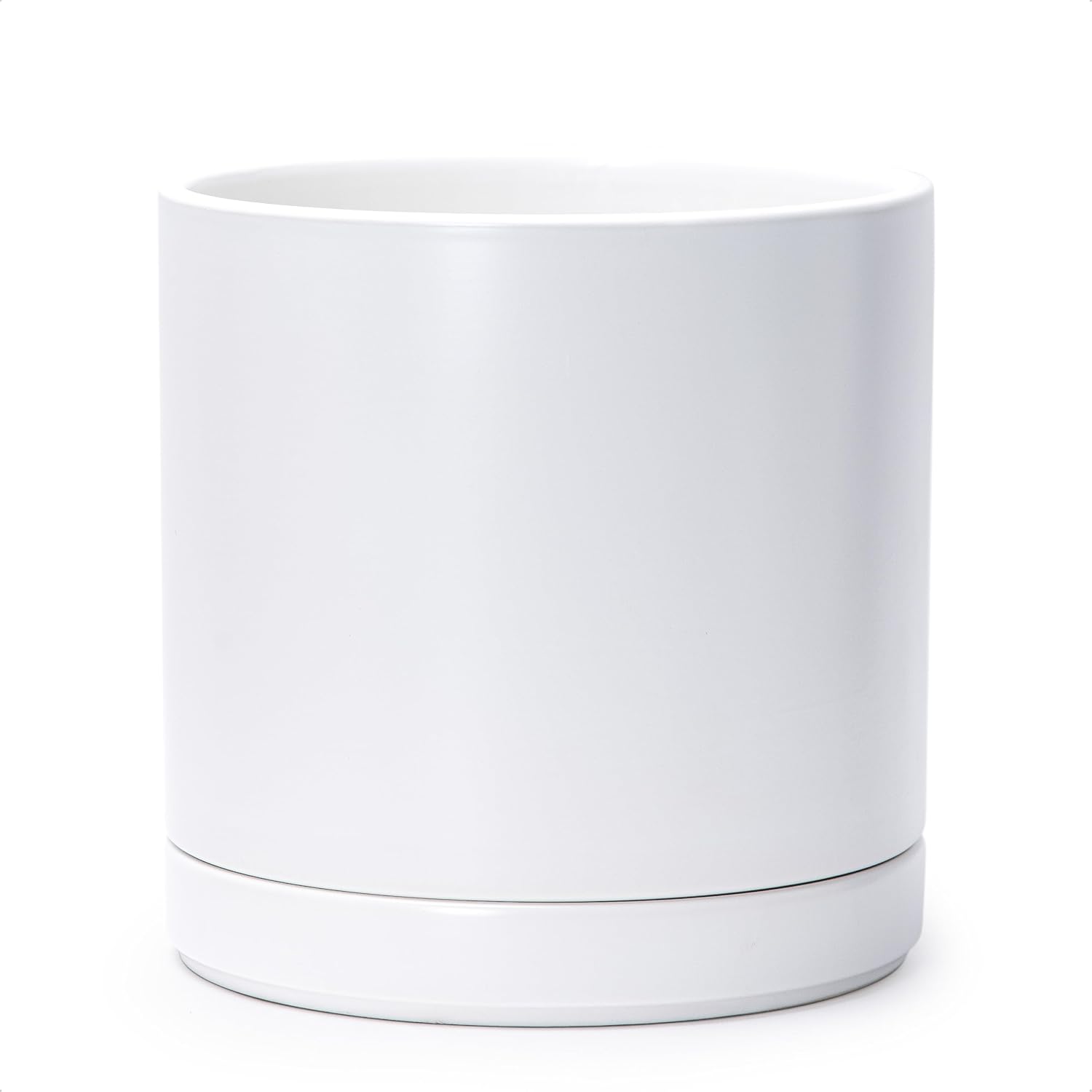
The Complete Japandi Renovation — Stage by Stage
Japandi isn’t just about buying the right furniture. It’s about the space itself — the walls, floors, and light that everything sits within. The renovation wasn’t simply a redecoration. The space was rebuilt from the foundation up.
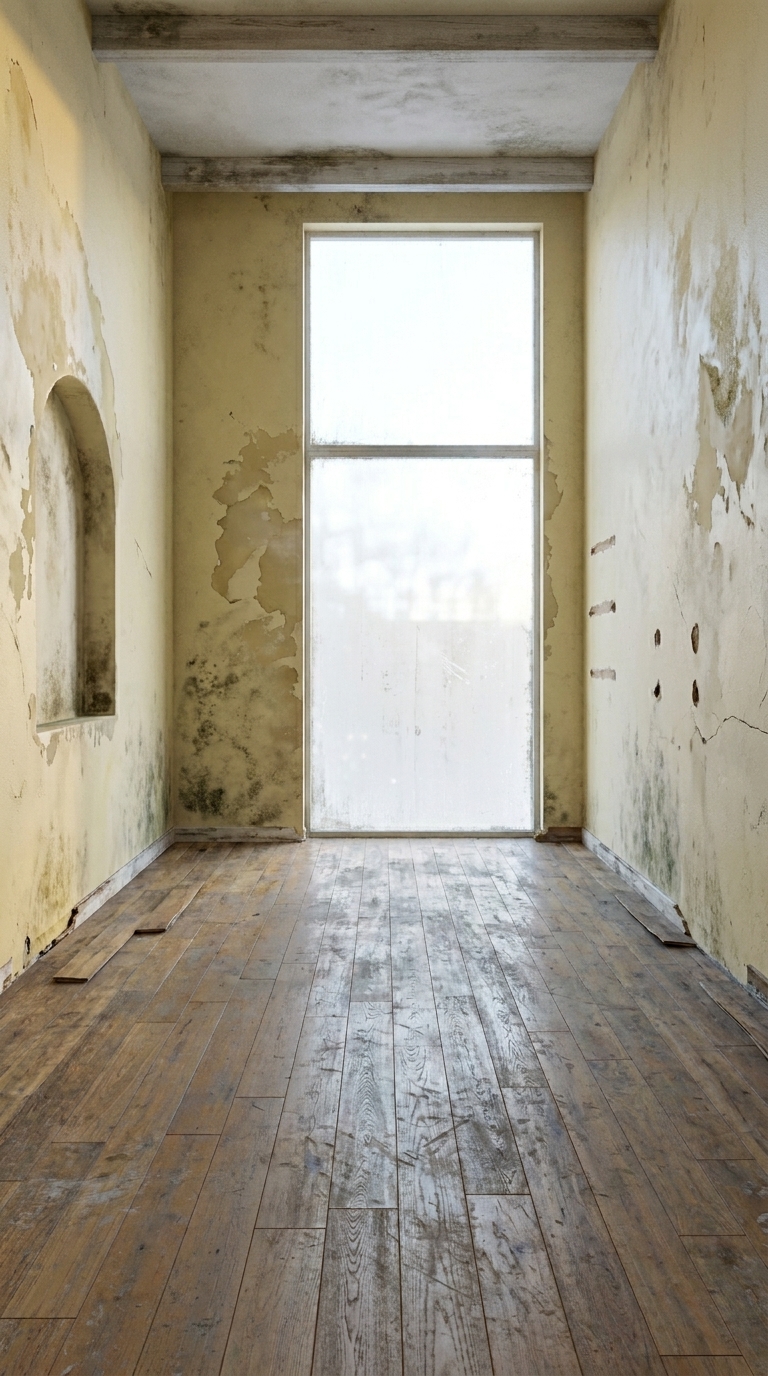
Stage 1: The Before — A Room That Had Lost Its Way
Peeling paint, scratched worn hardwood, missing baseboards, bare windows. The bones were good — high ceilings, a large window, generous proportions — but years of wear had buried all of it. Japandi is about revealing beauty that’s already there, which meant stripping everything back first.
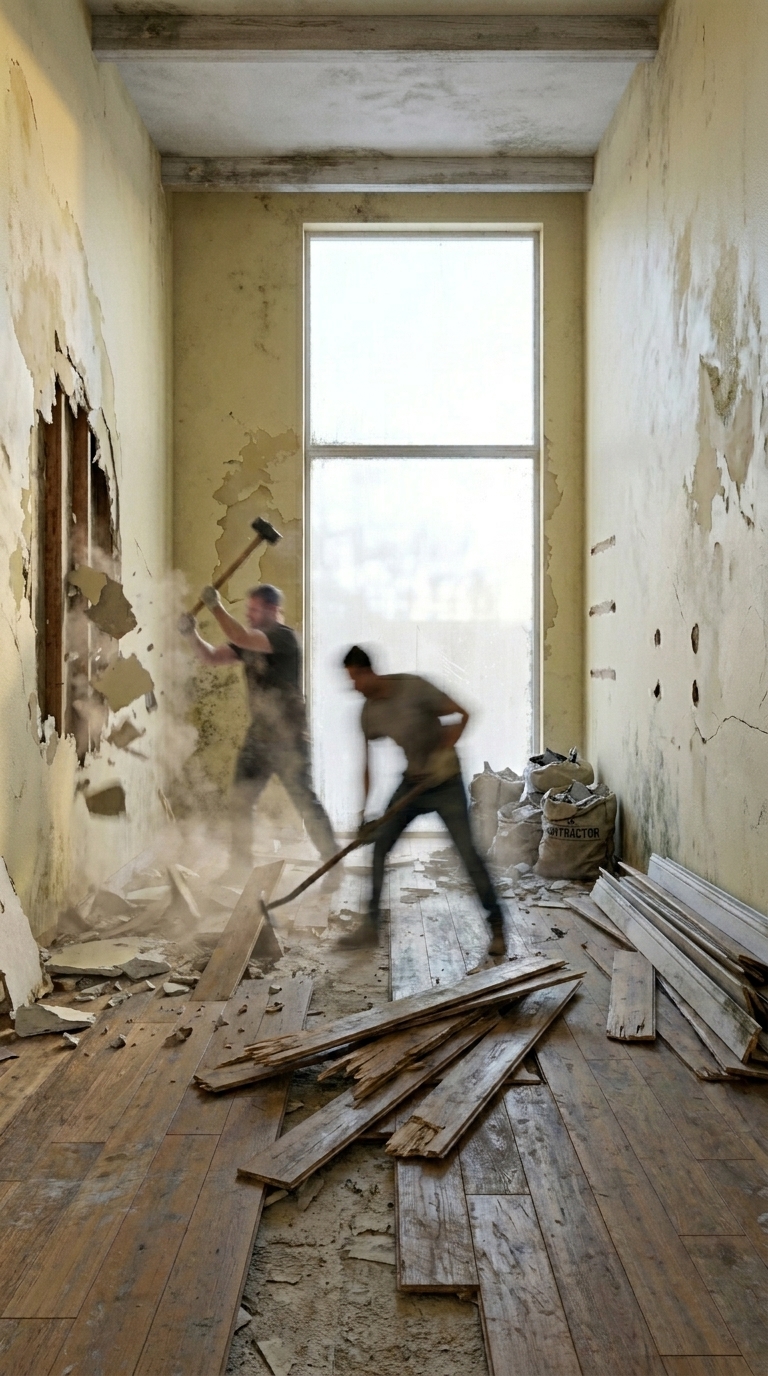
Stage 2: Demolition — Down to the Structure
The old hardwood came up, the damaged drywall came down, and the space was emptied completely. Once a room is truly empty, the exact structure becomes visible — and what can be created becomes clear.
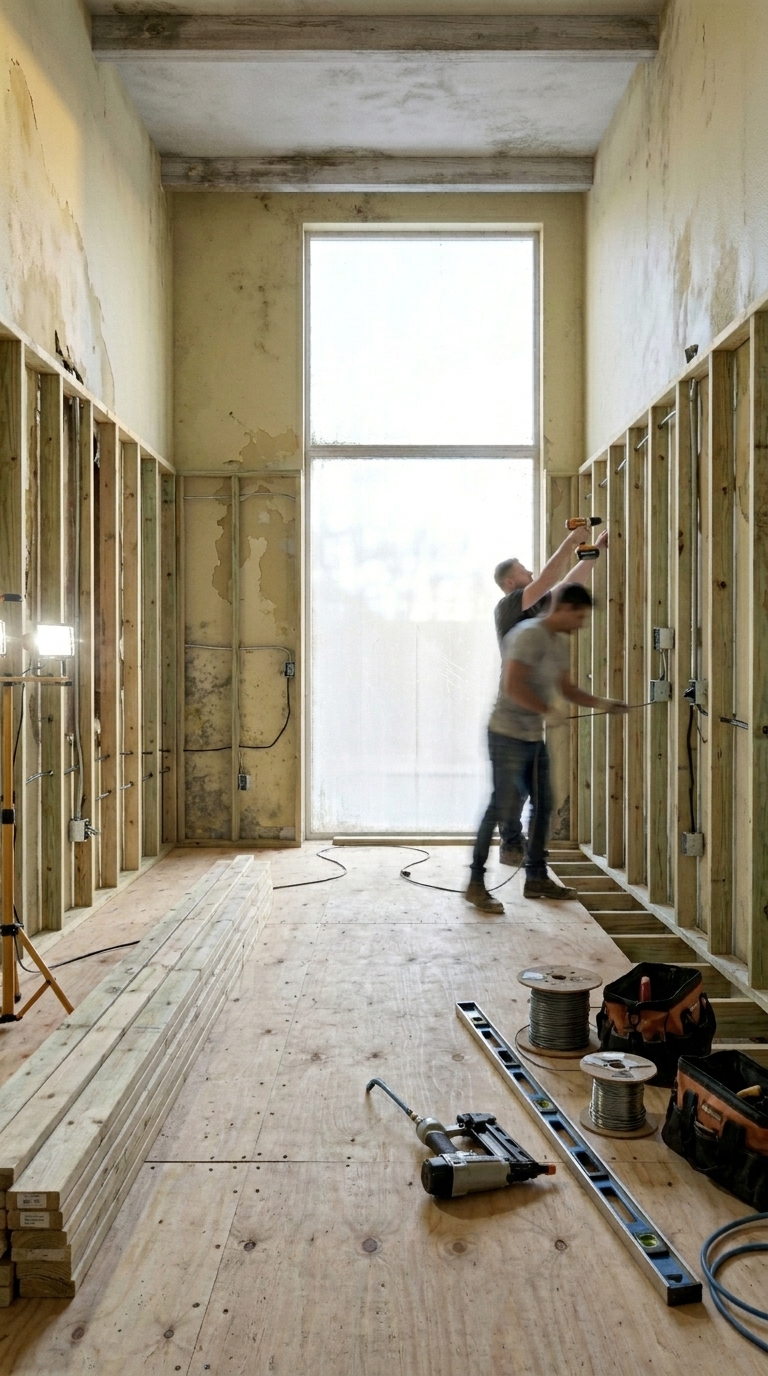
Stage 3: Structural Framing and Electrical
New wall framing went up, electrical runs were threaded through fresh studs, and new plywood subfloor panels were screwed down flat. This is the Scandinavian side of Japandi: things built properly, built to last.
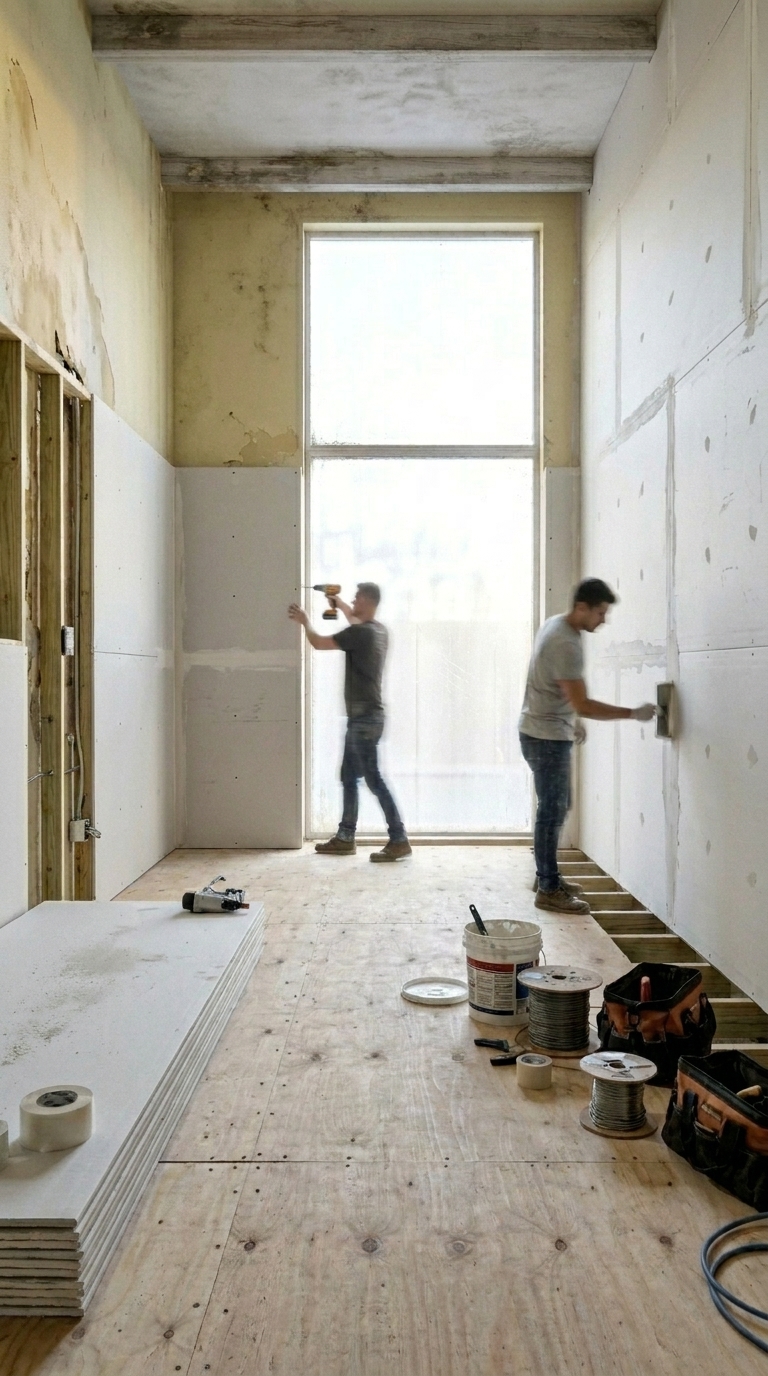
Stage 4: Drywall — Walls Becoming Walls Again
Fresh drywall sheets went onto every wall, seams were taped and mudded, and the room started to feel enclosed again. A perfectly smooth canvas for warm off-white paint was created.
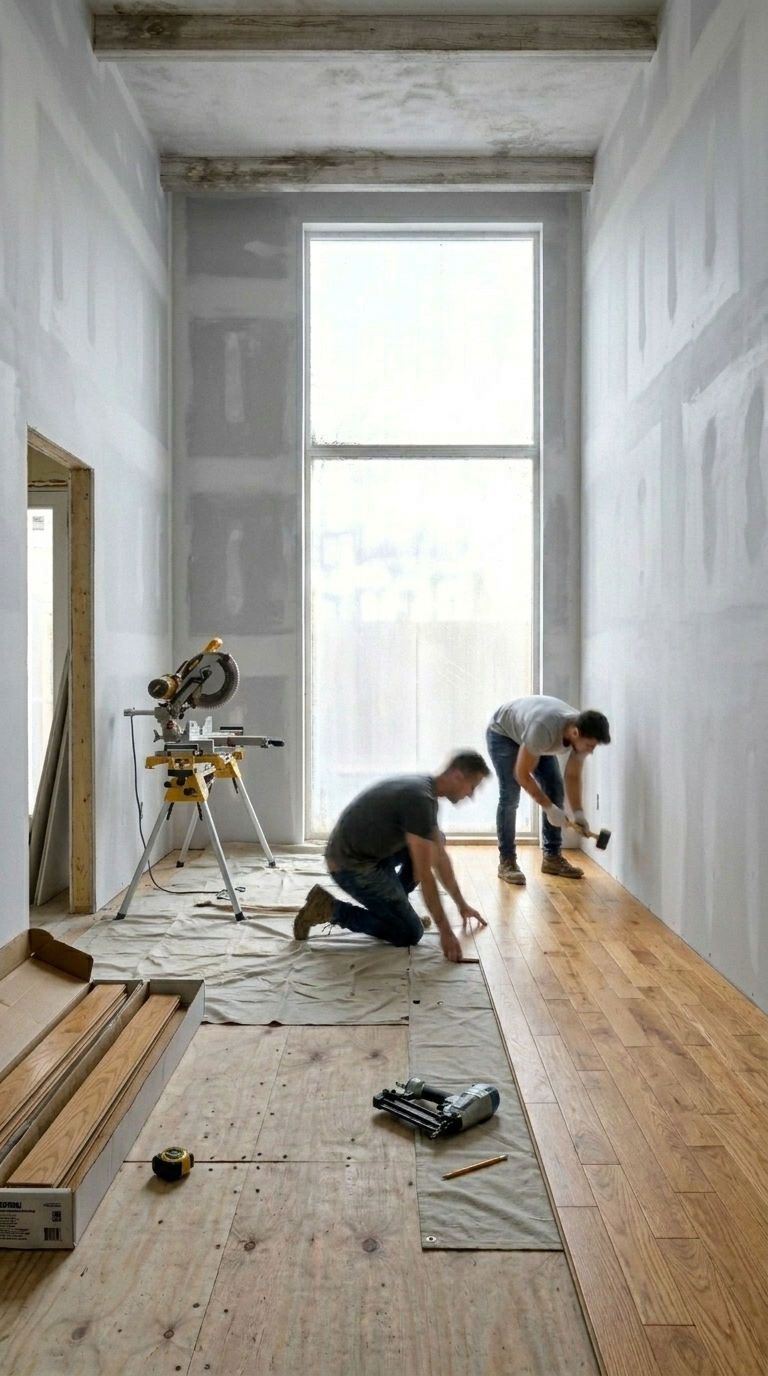
Stage 5: Oak Hardwood Flooring — The Warmth Begins
Warm honey oak hardwood planks clicked into place row by row from the far wall toward the camera. Natural wood is non-negotiable in Japandi — it adds the warmth that keeps the space from feeling cold despite its minimalism.
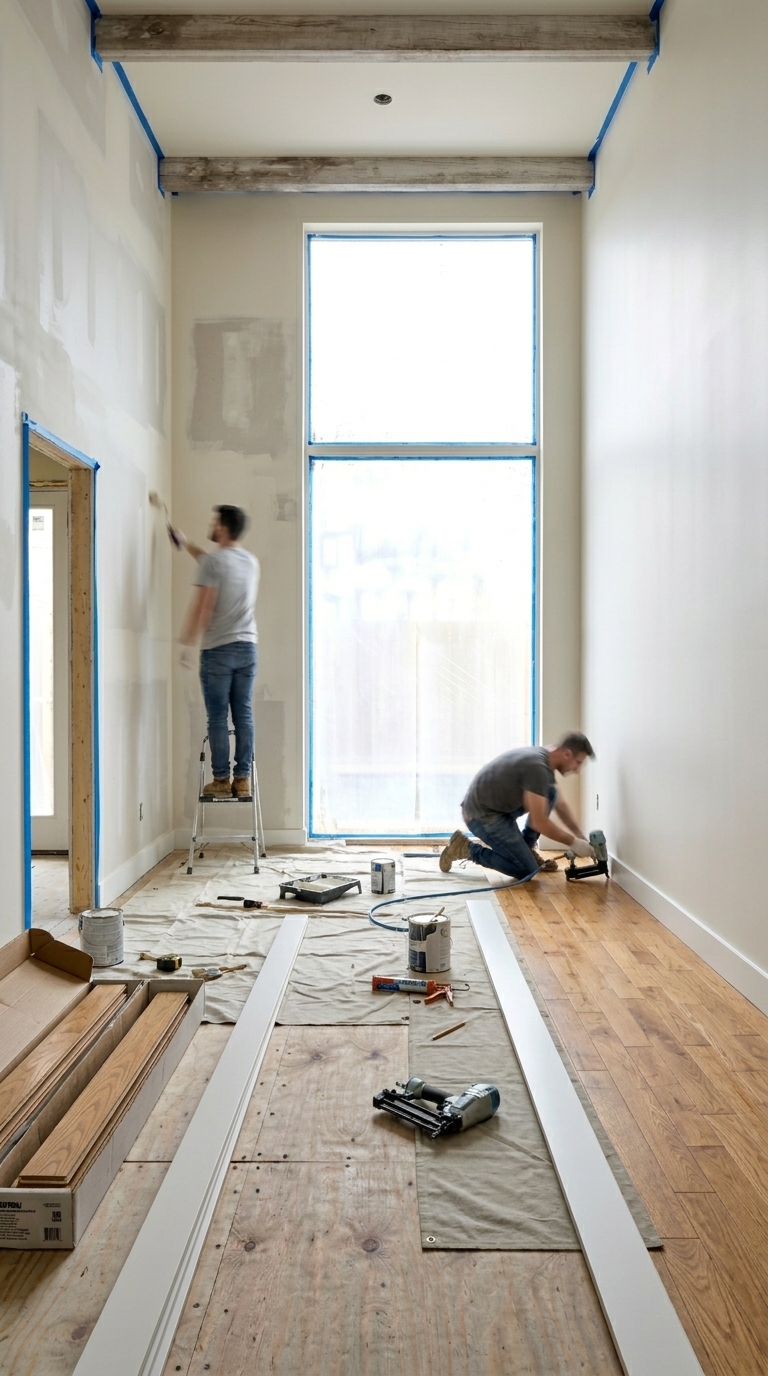
Stage 6: Paint and Trim — The Japandi Palette Takes Over
Warm off-white — a Japanese paper white, barely a step above pure white but immeasurably warmer — was applied to every wall. New crisp baseboards were nailed in. The combination of warm walls and oak flooring created the Japandi palette in its most essential form.
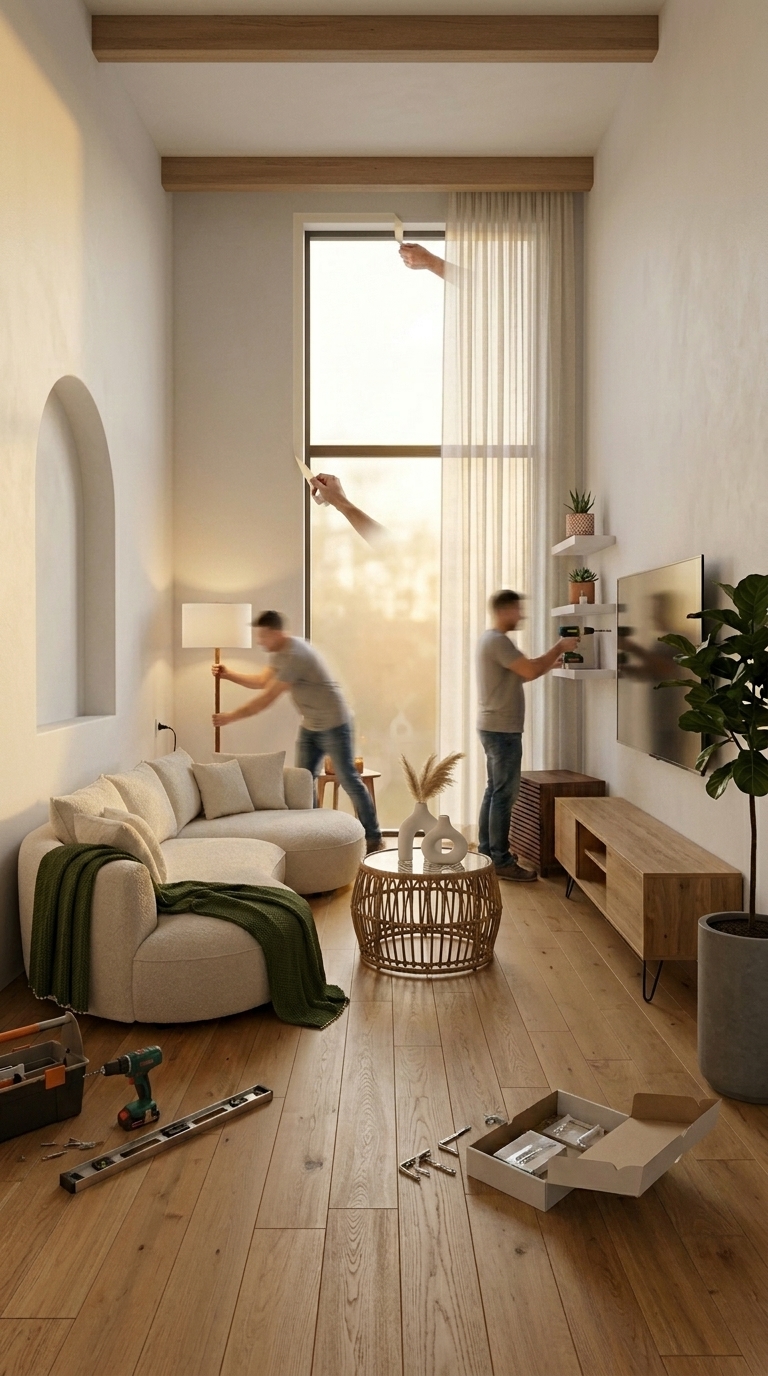
Stage 7: Final Fixtures — The Last Five Percent
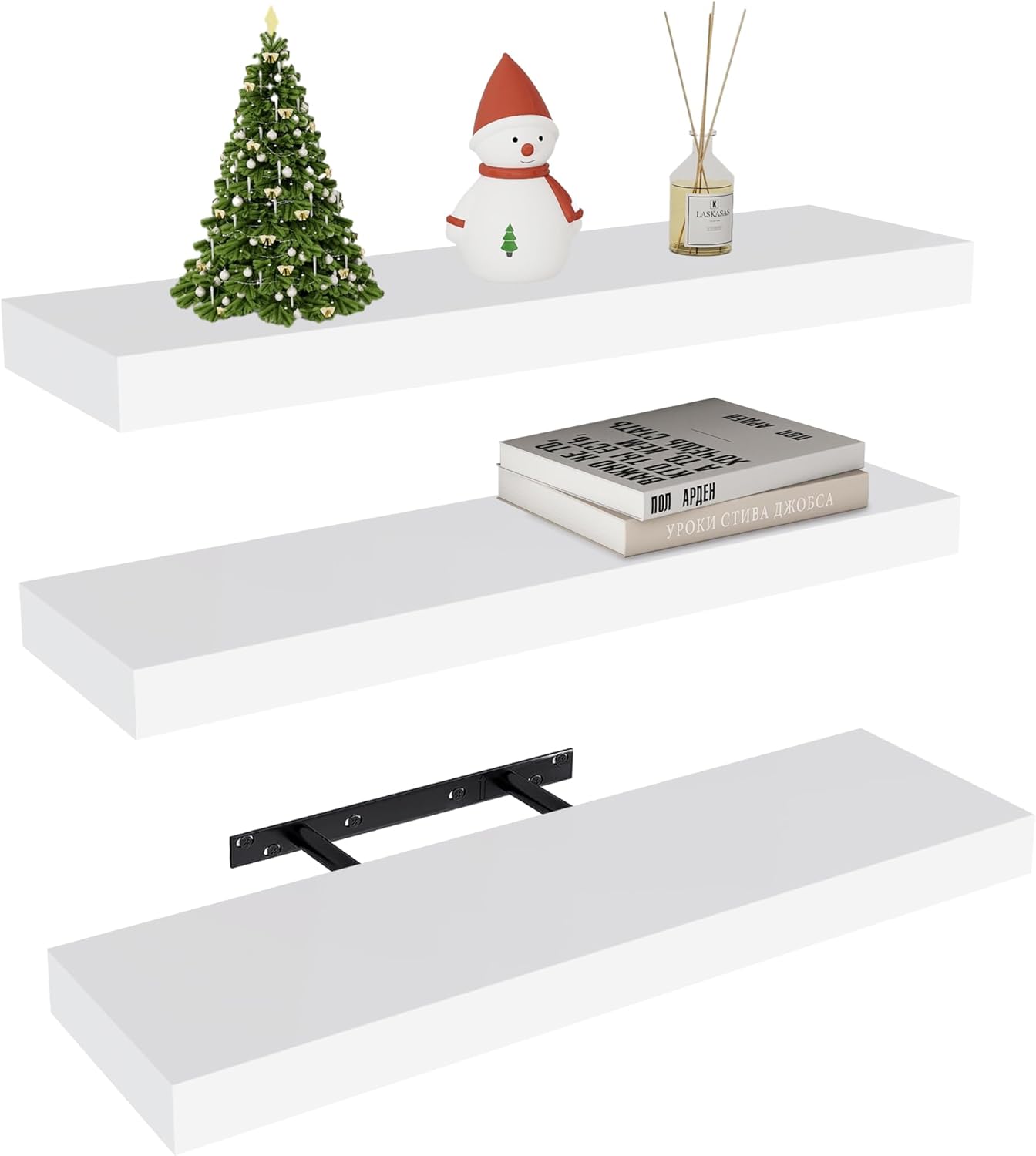
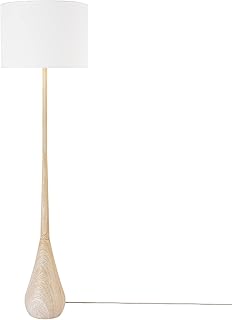
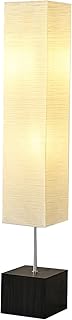
Floating shelves were drilled and mounted. The Japandi floor lamp was positioned and lit. Painter’s tape peeled away to reveal flawlessly clean paint lines. Each small detail confirmed that the work was worth it.
The Core Principles of Japandi Interior Design
Wabi-sabi: beauty in imperfection. Japanese design celebrates the natural and impermanent. A handmade ceramic pot with an uneven glaze. A wood grain that runs slightly off-center. These imperfections are the signature of something real.
Hygge: cozy warmth over sleek coldness. The beige boucle sofa is plush and enveloping. The olive green throw is there to pull around shoulders. The candles are lit. Japandi is minimalist in quantity but generous in comfort.
Ma: the power of negative space. In Japandi, the space around each object is as intentional as the object itself. This breathing room is what makes the room feel calm rather than clinical.
Natural materials only. Rattan, oak, ceramic, cotton, linen, stone. No plastics, no metallics. Every material should feel like it came from the earth.
Frequently Asked Questions
What is the difference between Japandi and minimalism?
Minimalism tends to be cold and concerned primarily with the absence of objects. Japandi is minimalist in restraint but warm in materials — it prioritizes intentionality over emptiness. The result feels serene rather than sterile.
What colors are used in Japandi interior design?
Warm neutrals are the foundation — creamy whites, warm beiges, soft taupes. Accent tones are earthy and muted: sage green, olive, terracotta, warm charcoal. The palette avoids cool whites, pure blacks, and bright colors of any kind.
Do you need expensive furniture for Japandi design?
No — but thoughtful furniture is essential. What matters more than price is material quality and simplicity of form. A $40 honey brown side table with tapered legs reads as Japandi; a $200 heavily carved wooden table does not.
Can Japandi work in a small living room?
Japandi is ideal for small living rooms. The style’s emphasis on negative space, low-profile furniture, and a limited number of objects makes small rooms feel larger and more considered.
What plants work best in a Japandi living room?
Plants with architectural forms are recommended — fiddle leaf figs, bird of paradise, monstera, snake plants. These should be placed in concrete-look, terracotta, or matte white ceramic pots. Flowering plants with bright foliage should be avoided.
Your Most Serene Room Starts Now
Japandi interior design isn’t a trend that will be redone in three years. It’s a principle — and principles don’t go out of style. A room built from natural materials, furnished with intention, and lit with warmth will feel beautiful for decades. Everything in this build is linked above. Start with the sofa, add the floor lamp, and let the rest follow.
Leave a Reply